
Siwa sits roughly 50 kilometres from the Libyan border, deep in Egypt's Western Desert, and it does not feel like anywhere else in the country. There are no cruise ships and no queues at the gates. What you get instead is palm groves, mineral springs, salt pools you can float in, an ancient oracle that Alexander the Great travelled to consult, and a Berber culture that stayed distinct precisely because the oasis was so hard to reach.
This guide covers what to see, what the desert safari involves, when to go, and what the journey actually takes.
Why Siwa is different
Most Egyptian itineraries follow the Nile. Siwa does the opposite: it sits in a depression in the Western Desert, fed by hundreds of natural springs, surrounded by the Great Sand Sea.
The isolation shaped the place. The Siwi people are Amazigh, part of the Berber communities of North Africa, and they speak Siwi rather than Arabic as a first language. Houses were traditionally built from kershif, a mix of salt rock and mud that holds up well in a desert climate and dissolves in heavy rain.
Our Siwa Oasis package runs from Cairo and includes the drive, accommodation, guiding and the desert safari.
The salt lakes
The salt pools are the single image most people associate with Siwa, and they live up to it. Vivid turquoise water sits inside rims of white crystallised salt, with open desert behind.
The salt concentration is high enough that you float without effort, in the same way as the Dead Sea. That makes them better suited to floating than swimming.
A few practical points:
- Do not splash, and keep the water away from your eyes
- Wear water shoes, because salt crystals at the edge are genuinely sharp
- Rinse off afterwards at one of the freshwater springs
- Avoid going in with fresh cuts or shaving nicks
Freshwater springs
Cleopatra's Bath
Also called the Spring of the Sun, this is a circular stone pool fed by a natural freshwater spring, ringed by palms. The association with Cleopatra is local tradition rather than documented history, but it remains one of the most popular stops in the oasis, and it is the obvious place to rinse off after the salt pools.
More springs are scattered through the palm groves, several of them considerably quieter. Ask your guide which are comfortable for visitors to use, as not all of them are.
Ancient Siwa
The Temple of the Oracle
The Temple of the Oracle at Aghurmi is the reason Siwa appears in classical history. The oracle of Amun here was consulted across the ancient Mediterranean, and in 331 BCE Alexander the Great crossed the desert to visit it. What the oracle told him was never recorded, but he is said to have been satisfied with the answer.
The temple sits on a rock outcrop with wide views over the palm groves. Little of the structure survives intact, which makes the setting and the story do most of the work.
Shali Fortress
Shali is the ruined mudbrick town at the centre of modern Siwa, built in the 13th century from kershif and occupied for roughly 800 years. Days of unusually heavy rain in 1926 dissolved much of it, and residents moved out to the surrounding town.
What remains is a maze of walls and alleys you can climb through, best at sunset when the light comes across the oasis.
Gebel al-Mawta
The Mountain of the Dead is a hill honeycombed with rock-cut tombs from the Pharaonic, Ptolemaic and Roman periods. Several retain painted decoration, and the carvings show a blend of Egyptian and local styles. The view from the top takes in the whole oasis.
The Great Sand Sea safari
West of the oasis the cultivated land stops and the Great Sand Sea begins, one of the largest dune fields on earth. A 4x4 safari is the standard way to see it, and it is the part of a Siwa trip most people talk about afterwards.
A typical afternoon includes:
- Driving the dunes in a 4x4
- Sandboarding on the softer slopes
- A stop at a desert hot spring
- Sunset tea on a high ridge
Overnight desert camping is also possible, and the stargazing is exceptional because there is no light pollution for a very long way in any direction.
Go with a local driver. The routes are unmarked, conditions shift with the wind, and parts of the area involve checkpoints and organised movement. This is not somewhere to drive yourself. If you enjoy this kind of landscape, our White Desert package covers Egypt's other great desert formation.
Fatnas Island and sunset
Fatnas is a palm-covered spit reaching into Birket Siwa, the salt lake west of town, reached by a narrow causeway. It is the established place to watch the sun go down, with the lake in front and the dunes behind. Simple cafes serve tea and juice. Arrive well before sunset in high season.
Getting there and getting around
Siwa is remote, and the journey is the main thing to plan around.
- From Cairo: roughly 8 to 10 hours by road. Buses take longer than a private car.
- Via Marsa Matruh: many travellers break the drive on the Mediterranean coast, about 4 hours from Siwa.
- No airport: Siwa has no commercial flights, so road travel is the only option.
In the oasis itself, distances are short. Walking, bicycles and donkey carts all work for the town centre and nearby springs. A donkey cart ride through the palm groves is a genuinely pleasant way to see the oasis slowly, which is how it is best seen.
When to go
October to April is the comfortable window, with warm days and cool nights. Winter nights in the desert get properly cold, so bring layers if you are camping.
Avoid June to August. Summer temperatures in the Western Desert make daytime sightseeing and desert excursions hard going.
What to pack
- Sunglasses, high-factor sunscreen and a wide-brim hat
- Water shoes for the salt lakes
- A refillable water bottle
- A warm layer for desert nights, even outside winter
- Modest clothing, particularly away from the tourist spots
- Cash, since card acceptance is limited
Siwa is a conservative community and visitors who dress modestly are met with noticeably more warmth. Ask before photographing people, especially women.
How long to stay
Most visitors spend three to four days in the oasis, which is enough for the ancient sites, the salt lakes and springs, and a desert safari without rushing. Given how long the drive is, a shorter stay is rarely worth it.
Frequently asked questions
Are the salt lakes safe?
Yes, for floating rather than swimming. The high salt concentration makes you very buoyant. Keep the water out of your eyes, wear water shoes for the sharp salt edges, and rinse off afterwards.
Can I visit Siwa independently?
You can, but the drive is long and desert excursions need a local driver with a 4x4. Most visitors find a guided package simpler, particularly for the Great Sand Sea.
Is Siwa suitable for families?
Yes. Floating in the salt pools is popular with children, and sandboarding and a jeep safari work well for older kids. Bring plenty of water and sun protection, and be realistic about the long drive.
What makes Siwa worth the journey?
It is the combination. Nowhere else in Egypt puts an ancient oracle, a ruined salt-brick town, natural springs, turquoise salt lakes and one of the world's great dune fields within a few kilometres of each other, in a culture that is distinct from the rest of the country.
Planning a trip
Siwa rewards the effort it takes to get there. If you want it arranged end to end from Cairo, see our Siwa Oasis package, or talk to us about fitting it around the rest of your trip.
作者
Egypt Tour and Adventure
You Might Also Like
 Nile cruise8 min
Top 10 Reasons to Take a Nile Cruise from Aswan to Luxor
A Nile cruise between Aswan and Luxor is the easiest way to see Upper Egypt. You unpack once, and the temples come to you. Instead of changing hotels,...
 General11 min
Experience Karnak Temple Luxor Egypt Through Stunning Photos
Key HighlightsKarnak Temple in Luxor is one of the top spots from ancient Egypt.This big religious complex got bigger over many years, from the Middle...
 Dendera – The Temple That Will Steal Your Heart.1 min
丹德拉神庙
丹德拉神庙——埃及保存最完好的神庙和哈索尔圣殿 简介 卢克索以北六十公里处,尼罗河西岸基纳镇附近,矗立着古埃及最非凡的古迹之一——丹德拉神庙。这座庞大的建筑群供奉着哈索尔女神,被广泛认为是该国保存最完好的寺庙,为游客提供了难得一见的全彩古埃及文明。 与人们熟悉的卡纳克神庙和卢克索新王国纪念碑不同,丹...
Tours You Might Like
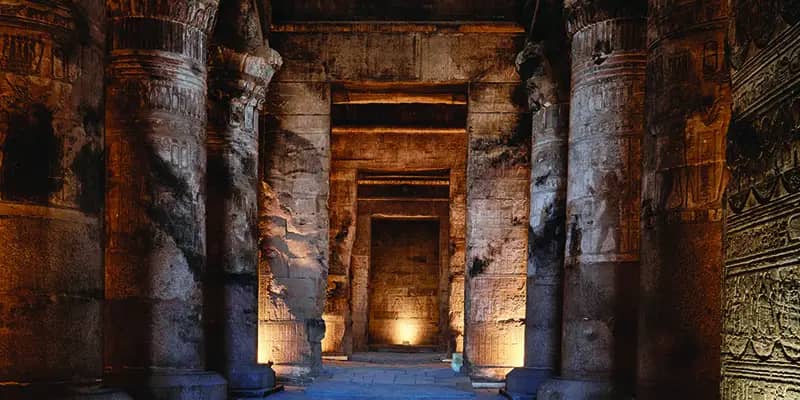
Dendera Temple & East Bank
Discover the best of ancient Thebes in one unforgettable day. Start on Luxor’s East Bank, visiting the spectacular Karnak Temple – the largest religious complex ever built – followed by the elegant Luxor Temple, illuminated by history and connected by the Avenue of Sphinxes. Then journey north to the beautifully preserved Dendera Temple, dedicated to the goddess Hathor, where you’ll see the famous Zodiac ceiling, crypts, and rooftop shrines. A perfect blend of power, mystery, and divine beauty – all with a private guide, lunch, and transport included.
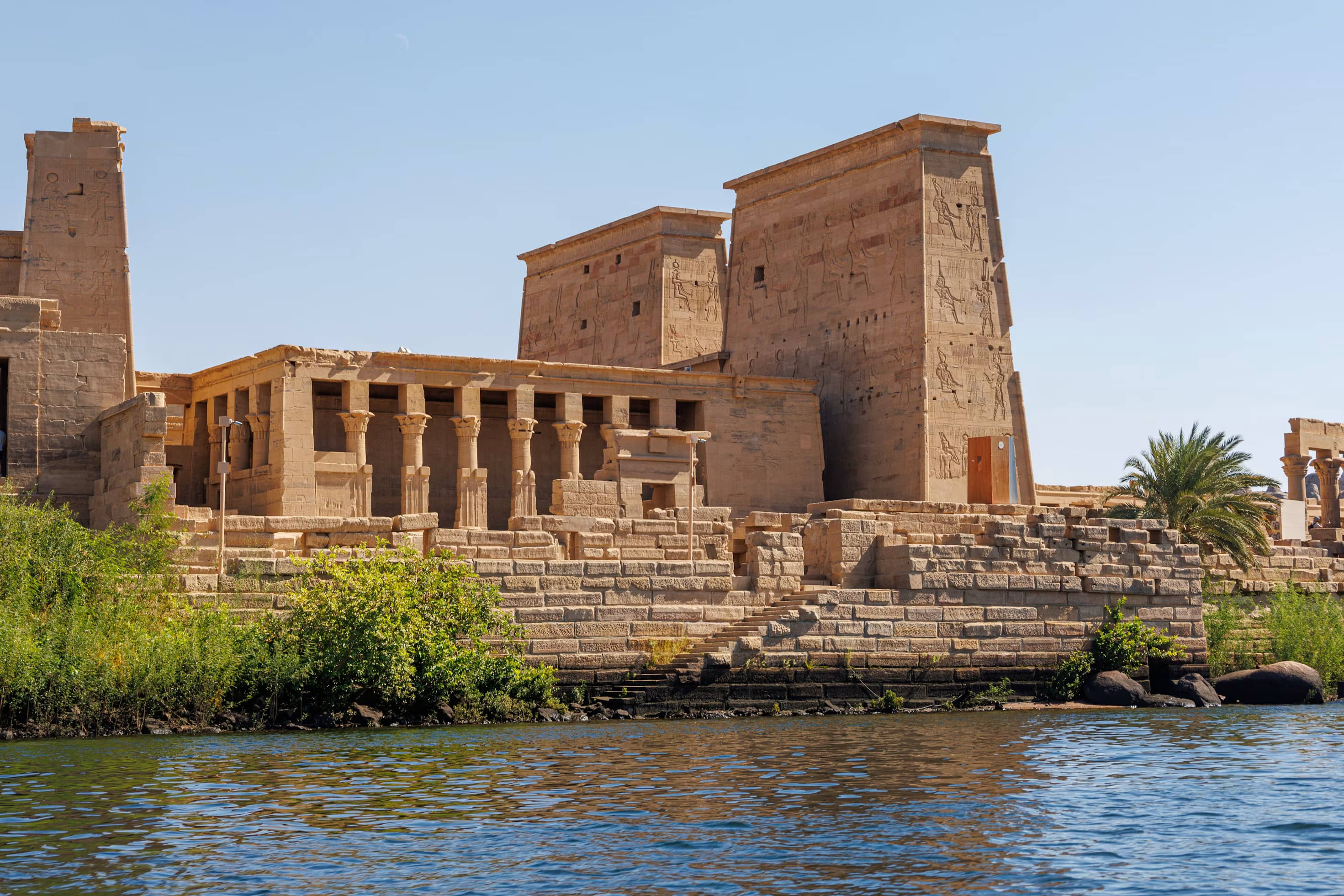
Aswan Day Tour
Explore the best of Aswan in one day with this all-inclusive tour. Visit the iconic Aswan High Dam, the ancient Unfinished Obelisk, and the beautiful Philae Temple on Agilkia Island. With a professional Egyptologist guide, private air-conditioned transport, entry tickets, and a delicious local lunch included, this hassle-free experience lets you focus on the wonders of ancient and modern Egypt. -------- Aswan day tour, Philae Temple tour, Aswan High Dam, Unfinished Obelisk, Egypt day trip, Aswan with lunch, private tour Aswan, Egyptologist guide Aswan. Aswan Highlights Day Tour: Tickets, Guide, Transport & Lunch Included #AswanDayTour #PhilaeTemple #AswanHighDam #EgyptDayTrip #AswanWithLunch

Ain Sukhna Day
Luxury Yacht Escape – Ain Sukhna, Red Sea Experience a private, all-inclusive day on the Red Sea aboard your own luxury yacht. Cruise the sparkling waters of Ain Sukhna with a dedicated chef preparing your fresh lunch onboard, a DJ playing your favorite music, and a professional crew ensuring your comfort. Relax in air-conditioned cabins, sunbathe on spacious decks, or dive into crystal-clear waters for swimming, snorkeling, or fishing. Savor unlimited soft drinks, hot drinks, water, snacks, and fresh fruits throughout the day. With private round-trip transport from Cairo and all logistics handled, this is a seamless, stress-free getaway for groups of 1 to 30 persons. Perfect for families, friends, or small celebrations.