
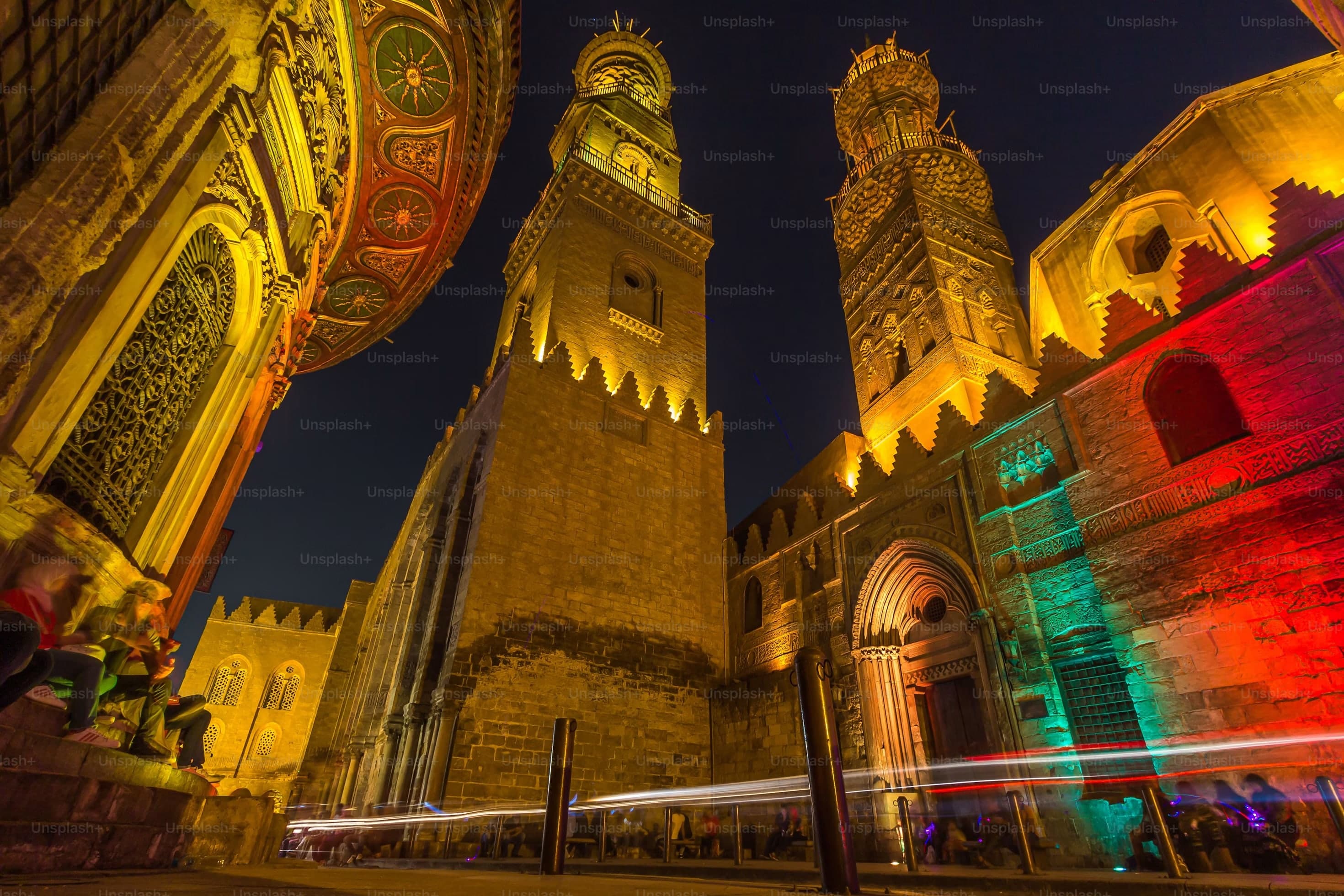
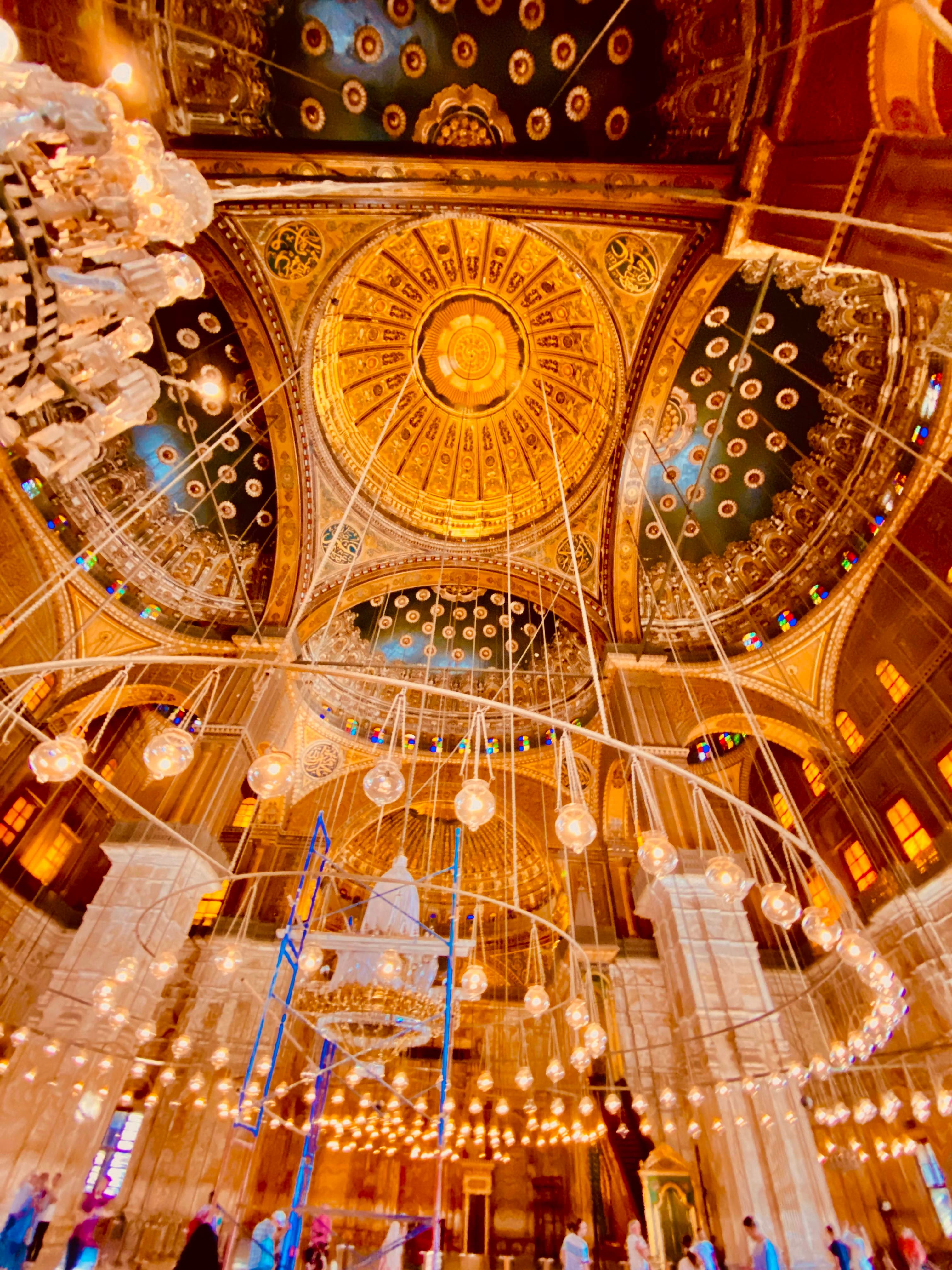
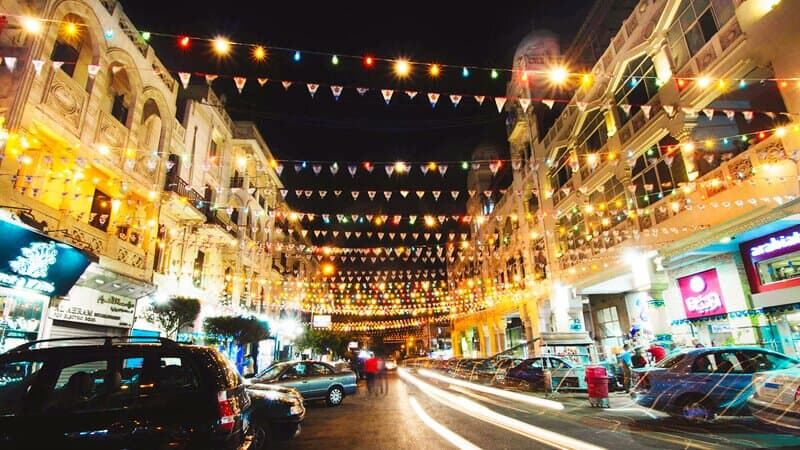
Священный месяц Рамадан в Египте — это поистине уникальное культурное путешествие, поскольку это время глубокой духовности, ярких традиций и теплого гостеприимства. Это руководство поможет вам с уважением ориентироваться в этом месяце и максимально эффективно использовать свой визит. Ожидается, что в 2026 году Рамадан в Египте начнется в четверг, 19 февраля, и завершится примерно в пятницу, 20 марта.
Что такое Рамадан?
Рамадан — девятый месяц исламского лунного календаря и самый священный месяц для мусульман всего мира. Он посвящен первому ниспосланию Корана Пророку Мухаммеду. В это время соблюдающие мусульмане постятся от рассвета до заката, воздерживаясь от еды, питья и курения. Пост — это период духовного размышления, самодисциплины, молитвы и возросшей преданности.
В основе этого соблюдения лежит намерение стать ближе к Богу, практиковать самоконтроль и сопереживать менее удачливым. Месяц завершается трехдневным празднованием Ид аль-Фитра, радостного праздника, отмеченного пирами, семейными посиделками и подарками, особенно детям.
Праздники и традиции Египта
Рамадан в Египте славится своими праздничными и глубоко укоренившимися традициями, создающими атмосферу, не похожую ни на одно другое время года.
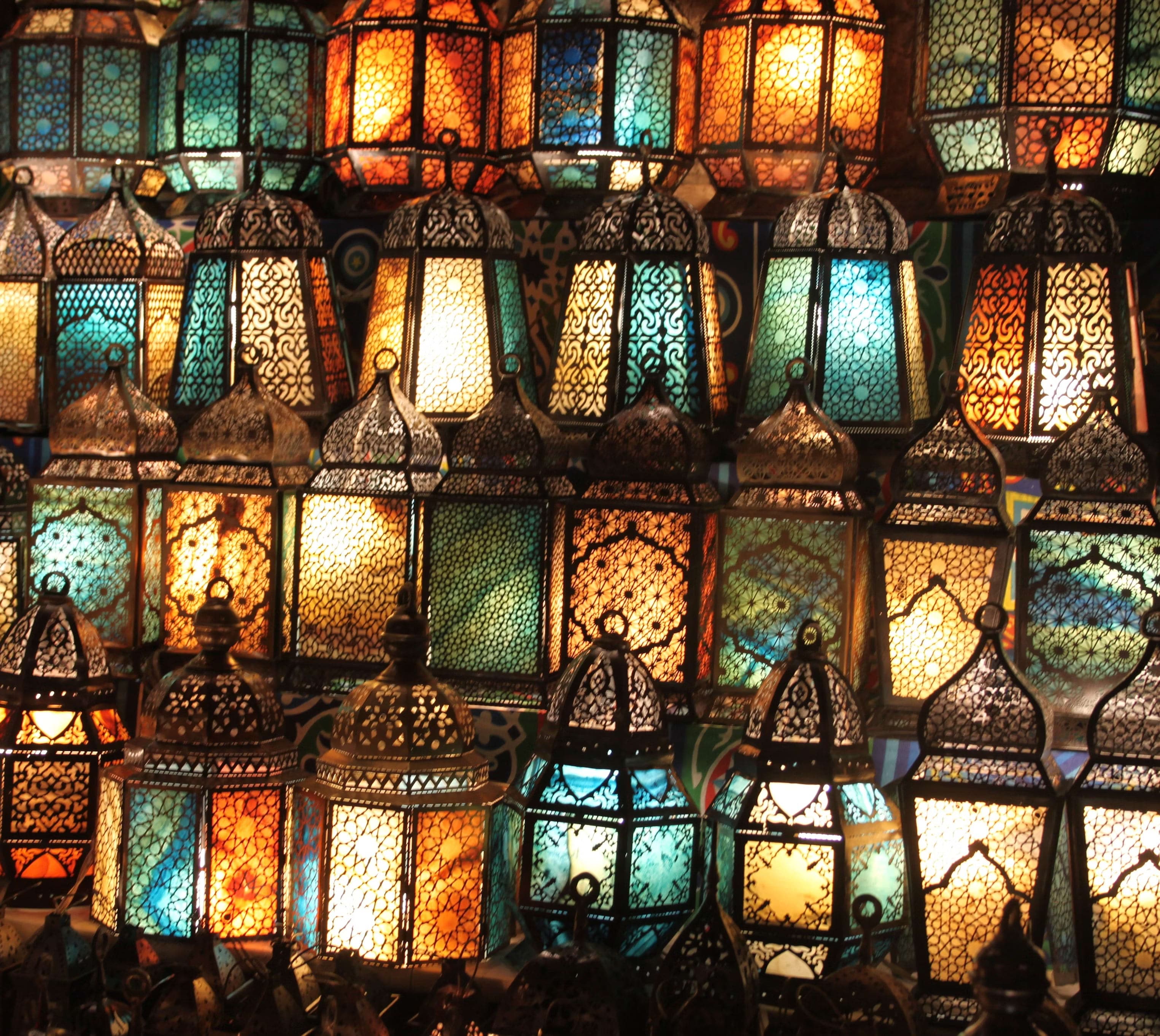
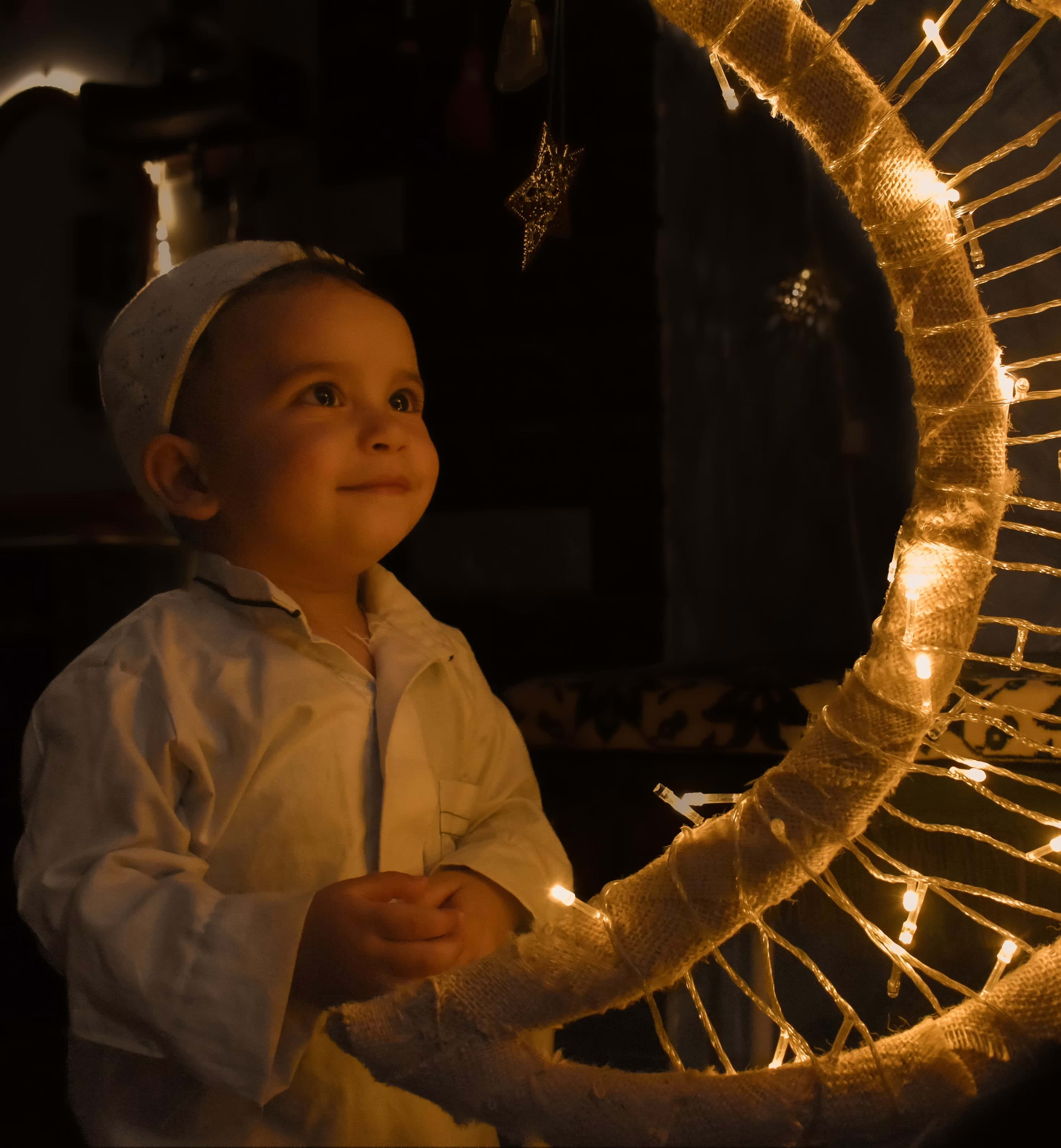
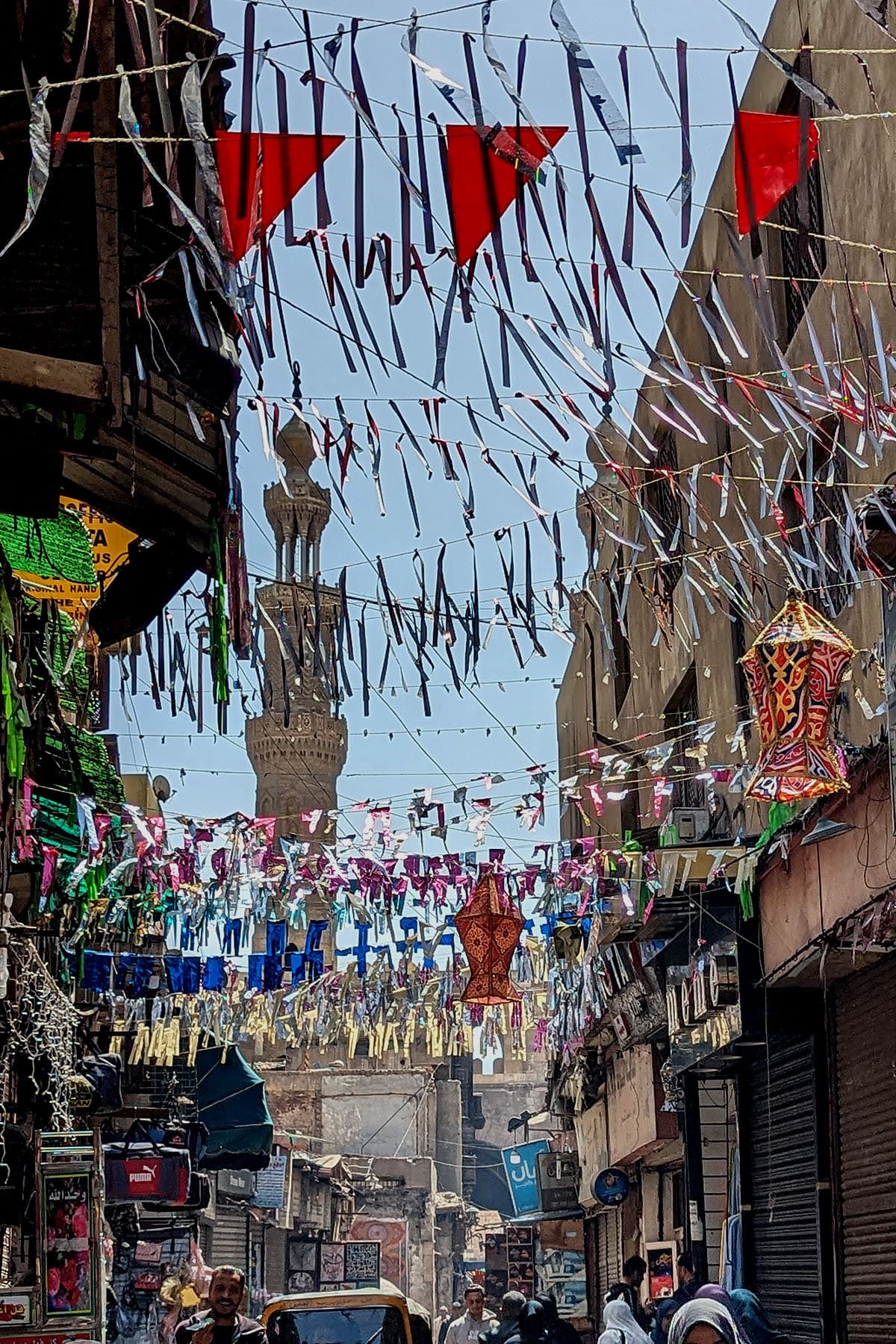
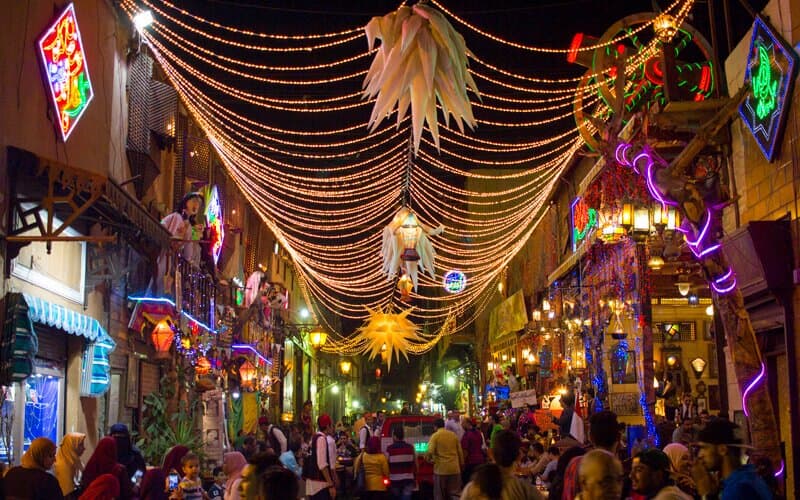
Фанус (Фонари Рамадана): это, пожалуй, самый знаковый символ Рамадана в Египте. Улицы, дома и магазины украшены яркими, часто замысловатыми фонарями, традициям которых уже более тысячи лет.
Месахарати: Перед рассветом вы можете услышать бой барабана или пение, эхо разносящееся по старым кварталам. Это Месахарати, традиционный ночной гость, который ходит по улицам, чтобы разбудить людей для предрассветной трапезы (сухура), заветной практики, которая продолжается и по сей день.
Маваид ар-Рахман (Столы милосердных): прекрасное выражение общности и благотворительности. Это общественные столы, установленные на улицах, в мечетях или палатках, где каждый, включая путешественников, может прервать пост бесплатной едой.
Пушка Рамадана: в некоторых частях Каира и других городов на закате стреляют из пушки, сигнализируя об окончании дневного поста. Эта традиция, восходящая к османской эпохе, особенно волнует местных детей.
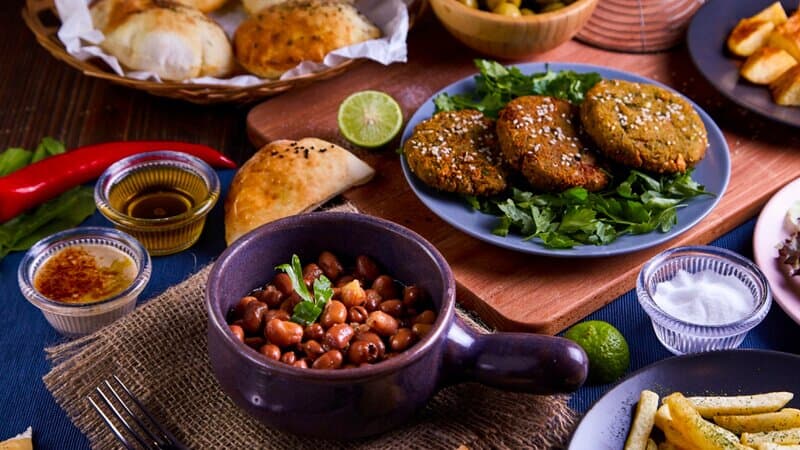
Кулинарные изыски: Вечер — время пиршеств. Обратите внимание на популярные блюда, такие как Фаттах (слоеный рис, хлеб и мясо), фаршированные овощи (Махши) и Кошари (богатая углеводами смесь риса, чечевицы и макарон). Если вы хотите чего-нибудь сладкого, попробуйте Катаеф, особый блинный десерт с начинкой, или слоеное тесто Кунафа.
Практический путеводитель для туриста по Рамадану в Египте
Вот что вам нужно знать о том, как Рамадан меняет повседневную жизнь и как можно провести ее уважительно и с удовольствием.
Что изменится для путешественников?
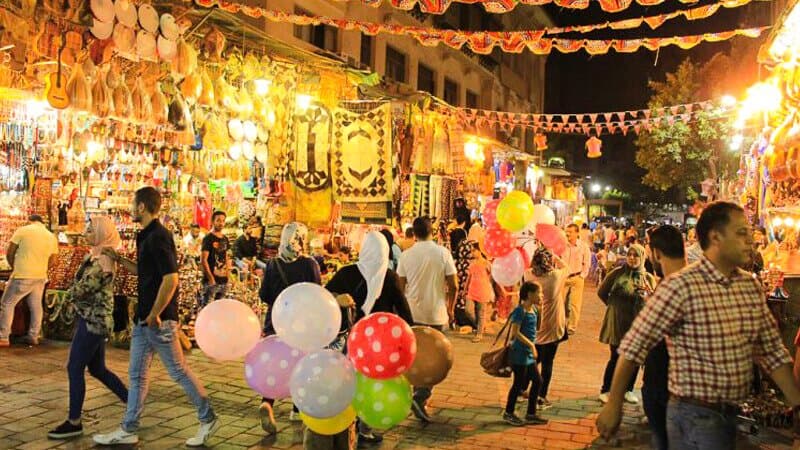
Ежедневный ритм: Дни стали намного спокойнее, поскольку многие экономят энергию. Темп резко ускоряется после захода солнца во время ифтара (разговения), а вечера становятся яркими, светскими и праздничными, люди собираются до поздней ночи, чтобы поесть, помолиться и пообщаться.
Достопримечательности: Все основные туристические объекты, включая пирамиды, Египетский музей и храмы в Луксоре и Асуане, остаются открытыми.
Рестораны: Питание требует некоторого планирования. Многие местные рестораны закрываются в светлое время суток. Однако всегда можно найти варианты:
- Отели и курорты: отели в туристических зонах (например, в Каире, Хургаде и Шарм-эль-Шейхе) продолжают предлагать еду и напитки в течение дня.
- Туристические рестораны: заведения в популярных туристических зонах обычно остаются открытыми для посетителей с измененным меню.
Алкоголь: Алкоголь по-прежнему доступен, но в основном в лицензированных местах, таких как международные отели и курорты. В этом месяце вы не найдете его в большинстве местных ресторанов или небольших заведений.
Часы работы и банковские операции. Чтобы спланировать свой день, обратите внимание, что правительственные учреждения, банки и многие магазины сокращают свои часы, часто закрываясь к 13:00 или 14:00. Туристические базары, такие как Хан-эль-Халили, часто закрываются на несколько часов во второй половине дня (например, с 14:00 до 18:00), но затем остаются открытыми до поздней ночи.
Пробки: ожидайте увеличения пробок и заторов, особенно за час или два до захода солнца, когда люди спешат домой, чтобы прервать пост. Постарайтесь избегать ненужных поездок в это время.
Разрешено и запрещено
Важно понимать, что считать уместным. Вот простое руководство.
Разрешено (терпимо):
- Туристы не обязаны поститься и могут нормально есть и пить в специально отведенных для этого местах.
- Осторожное употребление алкоголя в лицензированных отелях или туристических местах.
- Ношение скромной одежды, закрывающей плечи и колени, особенно в общественных и религиозных местах.
- Наслаждаться праздничными вечерами и уважительно фотографироваться.
Запрещено (неуважительно):
- Есть, пить, жевать жвачку или курить в общественных местах (улицах, общественном транспорте) в светлое время суток.
- Открыто предлагать еду или питье постящемуся мусульманину.
- Ношение откровенной, слишком тесной или прозрачной одежды в общественных местах.
- Игнорирование изменений графика и ожидание нормальной работы предприятий.
Ключевой момент, который следует помнить: рассмотрение того, что является культурно уважительным, более важно, чем строгое соблюдение закона, но проявление уважения имеет решающее значение.
Топ-5 советов по этикету для туристов
1. Будьте осторожны в еде. Вы можете есть и пить, но делать это вне поля зрения — в ресторанах отеля, в своем номере или в специально отведенных туристических кафе. Простое осознание имеет огромное значение.
2. Одевайтесь скромно. Хотя никаких строгих правил не применяется, более консервативная одежда является признаком уважения. Прикрывать плечи и колени — безопасная и ценная практика как для мужчин, так и для женщин.
3. Поймите время молитвы. Пять ежедневных молитв – важная часть дня. Имейте в виду, что призыв к молитве будет звучать по городам, а пешеходное движение вокруг мечетей увеличится, особенно после захода солнца.
4. Помните об уровне энергии. Ваши гиды и водители, скорее всего, будут поститься. Будьте терпеливы к их уровню энергии и цените, что они работают, соблюдая пост.
5. Встречайте вечер. Лучшая часть дня – после захода солнца. Присоединяйтесь к местным жителям, посещая шумные рынки, пробуя шведский стол ифтар или просто прогуливаясь по оживленным улицам, чтобы погрузиться в волшебную атмосферу.
Принимая дух Рамадана
Посещение Египта во время Рамадана — это невероятная возможность получить значимый культурный опыт. Понимая основные ценности месяца — духовность, общность и щедрость — вы можете проявить уважение с помощью небольших жестов. Простое «Рамадан Карим» (что означает «Щедрого Рамадана») — прекрасный способ поприветствовать местных жителей, и он будет тепло принят.
Стоит также отметить, что это время может быть особенно привлекательным, поскольку более прохладная зимняя погода и меньшее дневное скопление людей у основных достопримечательностей могут сделать осмотр достопримечательностей более комфортным.
Автор
Egypt Tour and Adventure
You Might Also Like
 Giza17 min
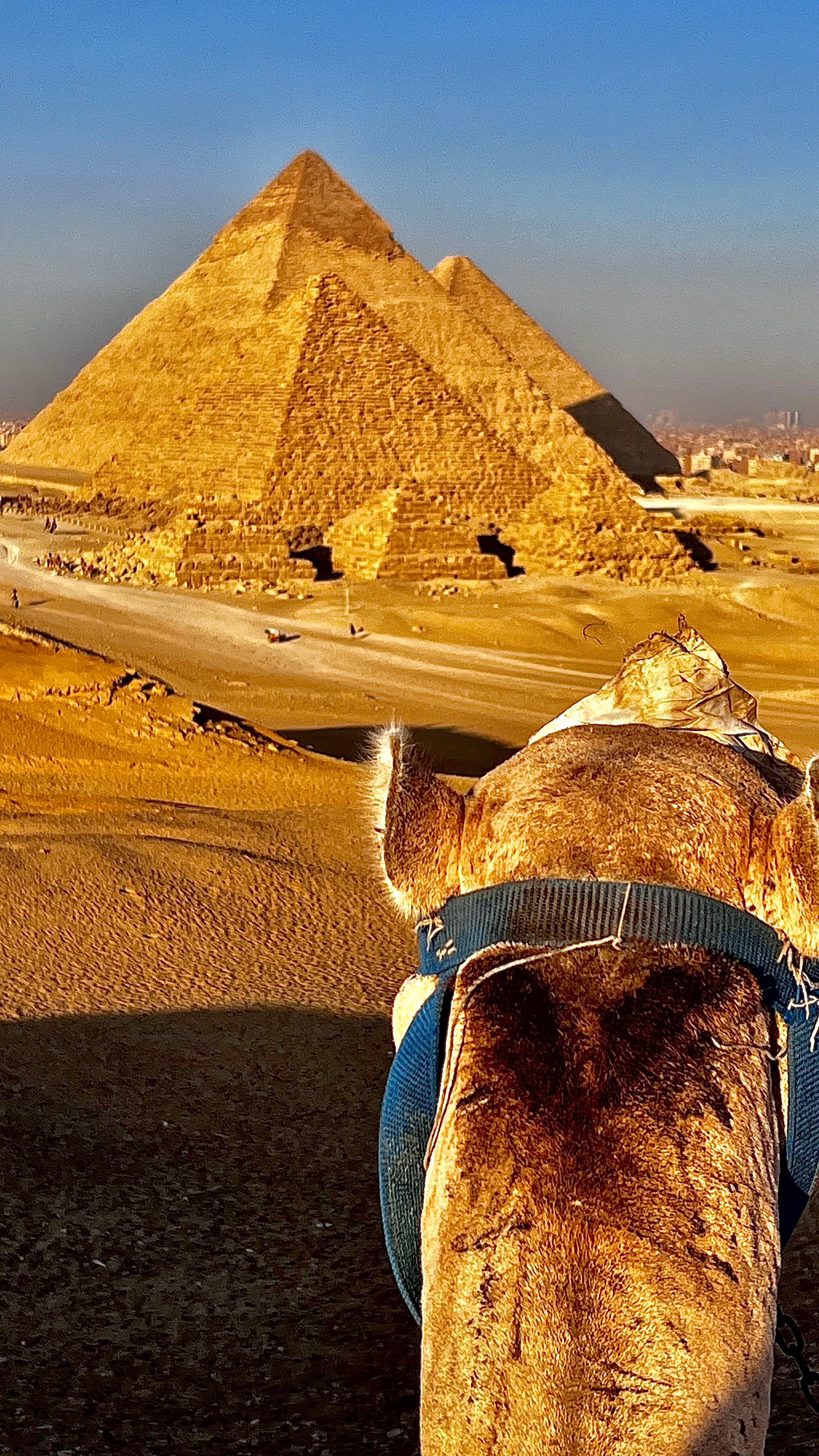
Giza Pyramids , Sphinx and Grand Egyptian Museum
Giza Pyramids, Sphinx, and Grand Museum Itinerary Guide Key Highlights This guide helps you plan a smooth day tour covering the Giza Pyramids, the Gre...
 General30 min
Откройте для себя 10 лучших туров по Египту для вашего следующего приключения
Изучите 10 лучших туров по Египту для вашего следующего приключения Ключевые моменты Многие люди, впервые путешествующие в Египет, выбирают турпакеты ...
 Оазис Сива7 min
Оазис Сива в Египте: соленые озера, сафари по пустыне и храм Оракула
Сива находится примерно в 50 километрах от ливийской границы, глубоко в Западной пустыне Египта, и он не похож ни на один другой район страны. Здесь н...
Tours You Might Like
Luxor Day Tour: Karnak, Luxor Temple & Dendera Temple
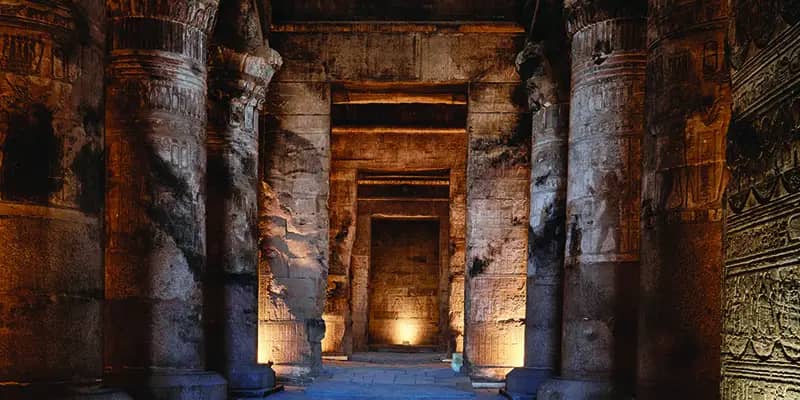
Discover the best of ancient Thebes in one unforgettable day. Start on Luxor’s East Bank, visiting the spectacular Karnak Temple – the largest religious complex ever built – followed by the elegant Luxor Temple, illuminated by history and connected by the Avenue of Sphinxes. Then journey north to the beautifully preserved Dendera Temple, dedicated to the goddess Hathor, where you’ll see the famous Zodiac ceiling, crypts, and rooftop shrines. A perfect blend of power, mystery, and divine beauty – all with a private guide, lunch, and transport included.

Aswan Private Day Tour
Discover the best of Aswan in one private day with this all-inclusive tour. Visit the iconic Aswan High Dam, the ancient Unfinished Obelisk, and Philae Temple on Angilika Island with a professional Egyptologist guide. Includes private air-conditioned transport, entry tickets, and a local lunch.
Ain Sukhna Private Yacht Day Trip
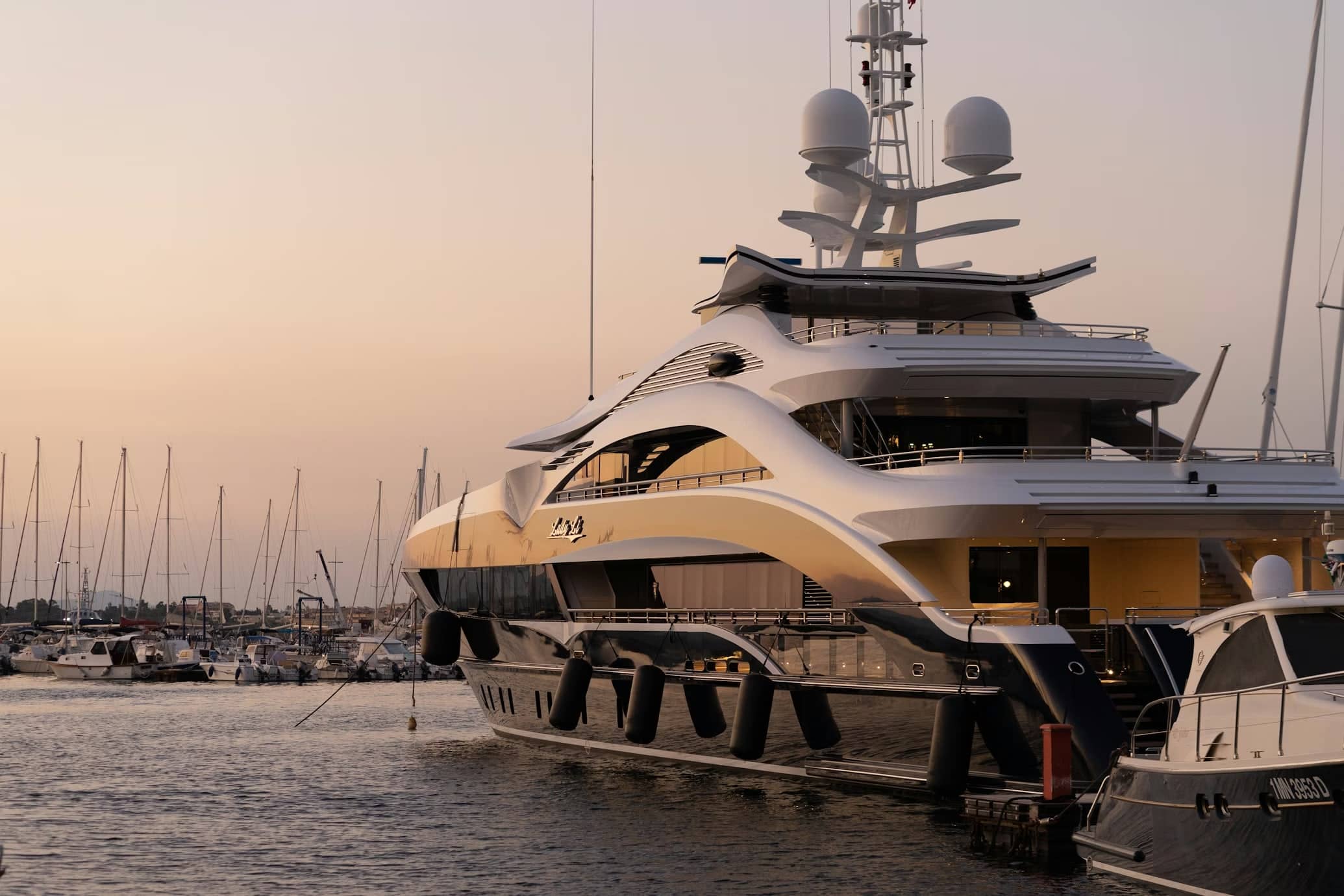
Luxury Yacht Escape – Ain Sukhna, Red Sea Experience a private, all-inclusive day on the Red Sea aboard your own luxury yacht. Cruise the sparkling waters of Ain Sukhna with a dedicated chef preparing your fresh lunch onboard, a DJ playing your favorite music, and a professional crew ensuring your comfort. Relax in air-conditioned cabins, sunbathe on spacious decks, or dive into crystal-clear waters for swimming, snorkeling, or fishing. Savor unlimited soft drinks, hot drinks, water, snacks, and fresh fruits throughout the day. With private round-trip transport from Cairo and all logistics handled, this is a seamless, stress-free getaway for groups of 1 to 30 persons. Perfect for families, friends, or small celebrations.