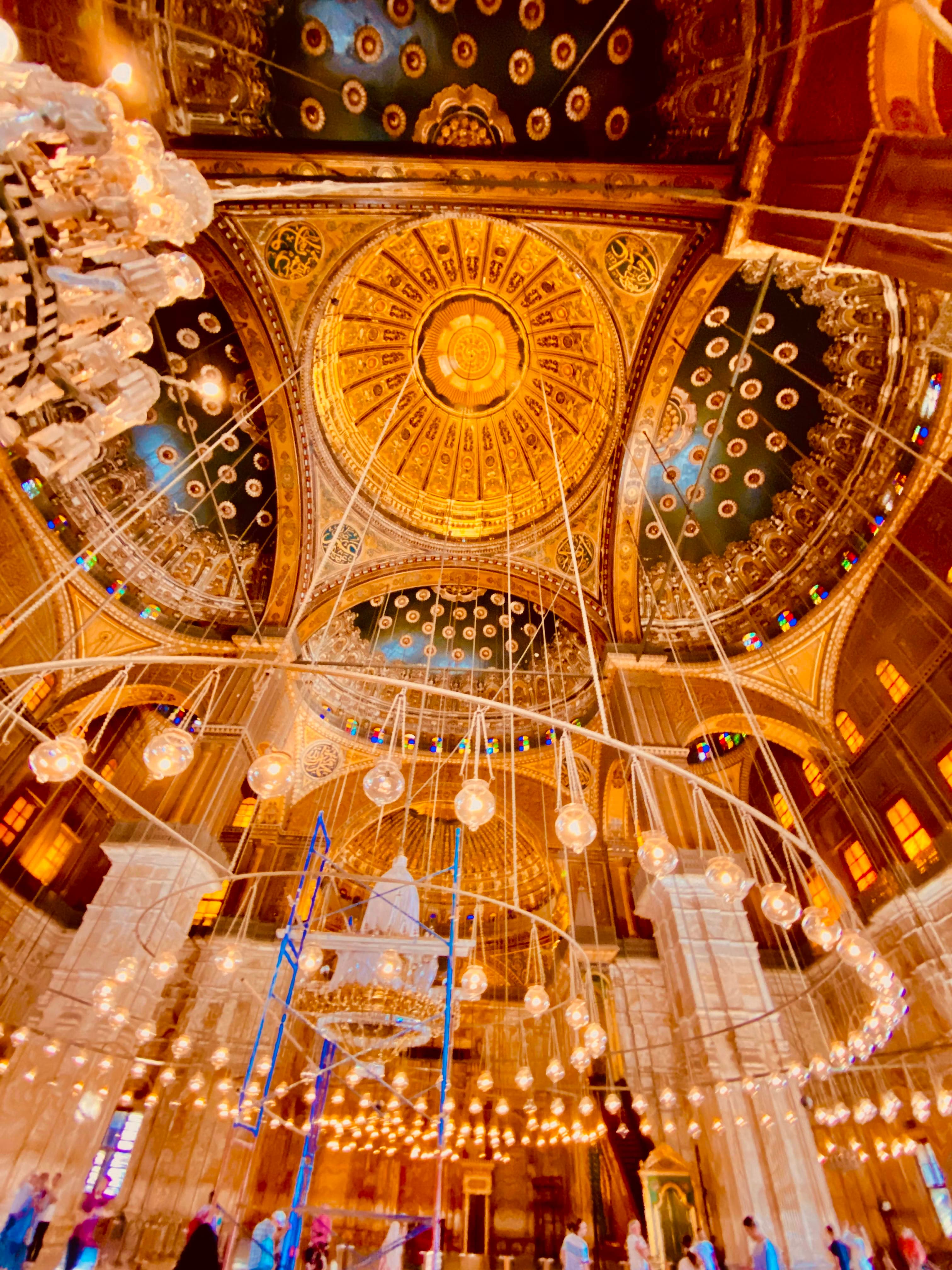
Experiencing the holy month of Ramadan in Egypt is a truly unique cultural journey, as it is a time of deep spirituality, vibrant traditions, and warm hospitality. This guide will help you navigate the month respectfully and make the most of your visit. For 2026, Ramadan in Egypt is expected to begin on Thursday, February 19th, and conclude around Friday, March 20th.
What is Ramadan?
Ramadan is the ninth month of the Islamic lunar calendar and the holiest month for Muslims worldwide. It commemorates the first revelation of the Quran to the Prophet Muhammad. During this time, observant Muslims fast from dawn until sunset, refraining from eating, drinking, and smoking. The fast is a period of spiritual reflection, self-discipline, prayer, and increased devotion.
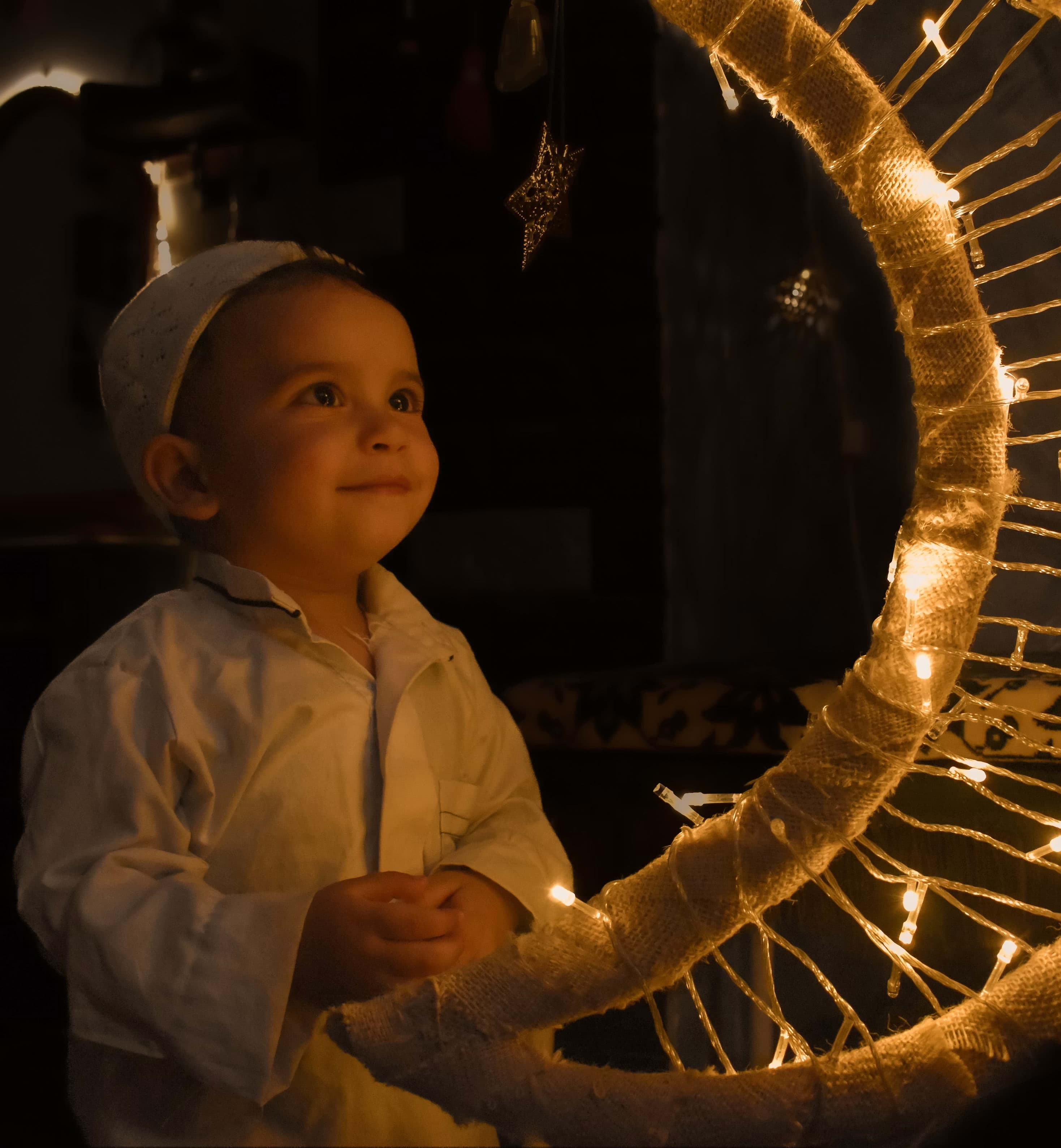
The core of this observance is the intention to grow closer to God, practice self-control, and empathize with the less fortunate. The month concludes with the three-day celebration of Eid al-Fitr, a joyous festival marked by feasting, family gatherings, and giving gifts, especially to children.
Celebrations and traditions in Egypt
Ramadan in Egypt is famous for its festive and deeply rooted traditions, creating an atmosphere unlike any other time of the year.
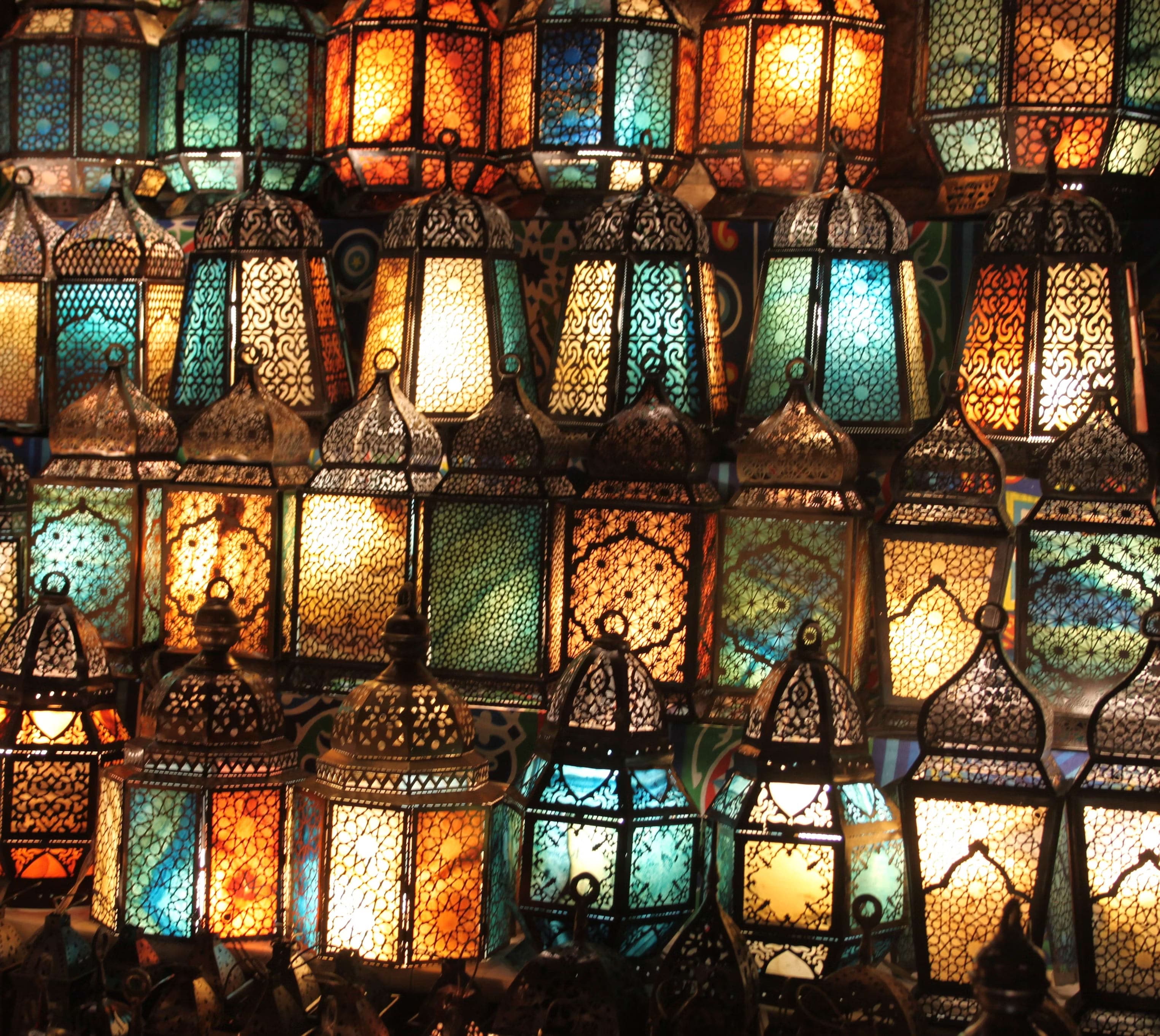
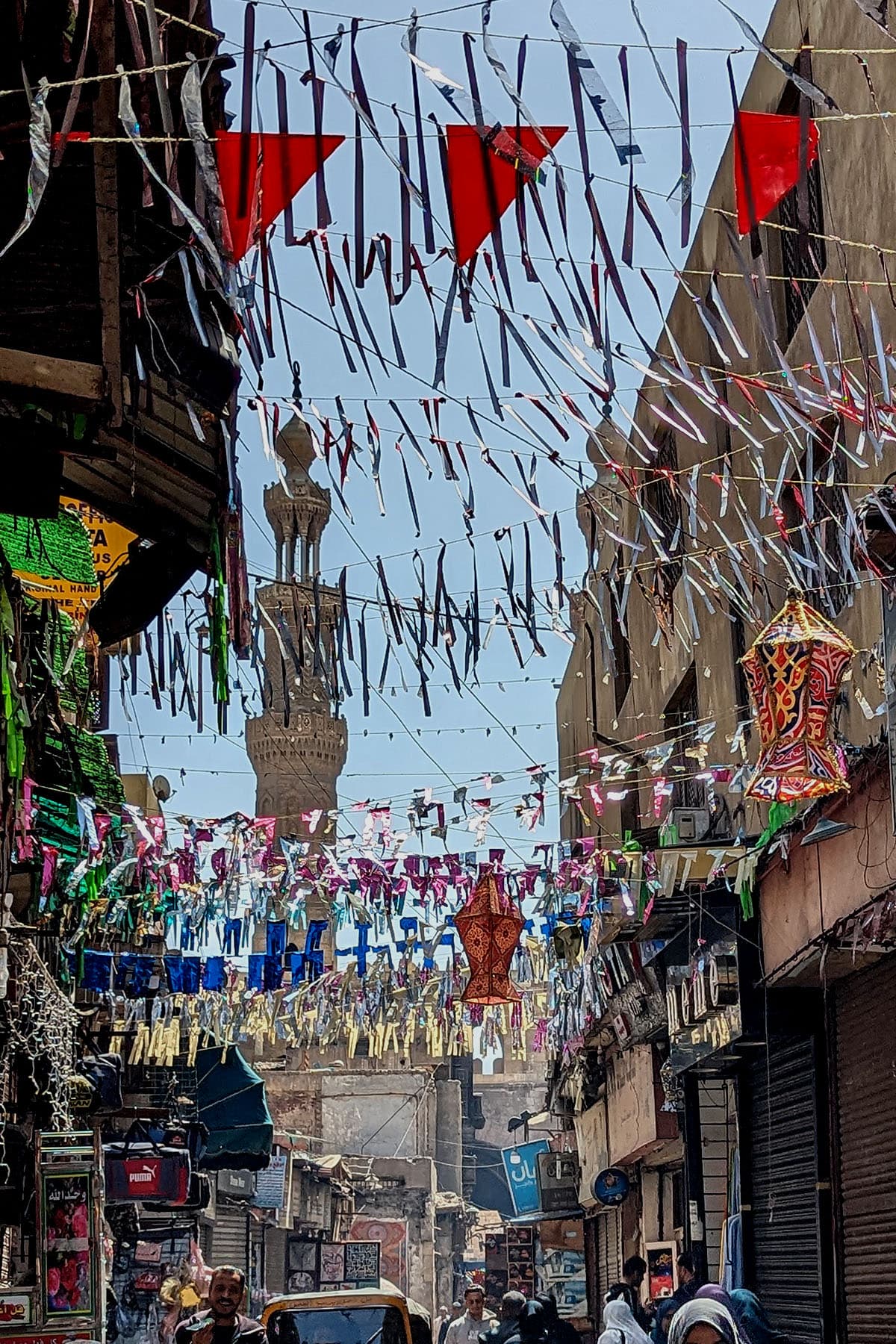
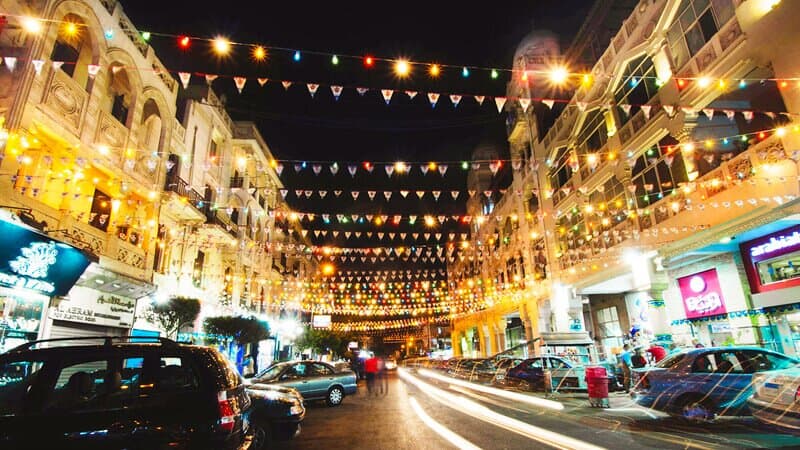
Fanous (Ramadan Lanterns): These are perhaps the most iconic symbol of Ramadan in Egypt. The streets, homes, and shops are adorned with colorful, often intricately designed lanterns, which have been a tradition for over a thousand years.
Mesaharaty: Before dawn, you might hear the beat of a drum or a chant echoing through older neighborhoods. This is the Mesaharaty, a traditional night caller who walks the streets to wake people for the pre-dawn meal (suhoor), a cherished practice that continues to this day.
Mawa'id Al-Rahman (Tables of the Merciful): A beautiful expression of community and charity, these are public tables set up in streets, mosques, or tents where everyone—including travelers—is welcome to break their fast with a free meal.
The Ramadan Cannon: In some parts of Cairo and other cities, a cannon is fired at sunset to signal the end of the day's fast. This tradition, dating back to the Ottoman era, is especially thrilling for local children.
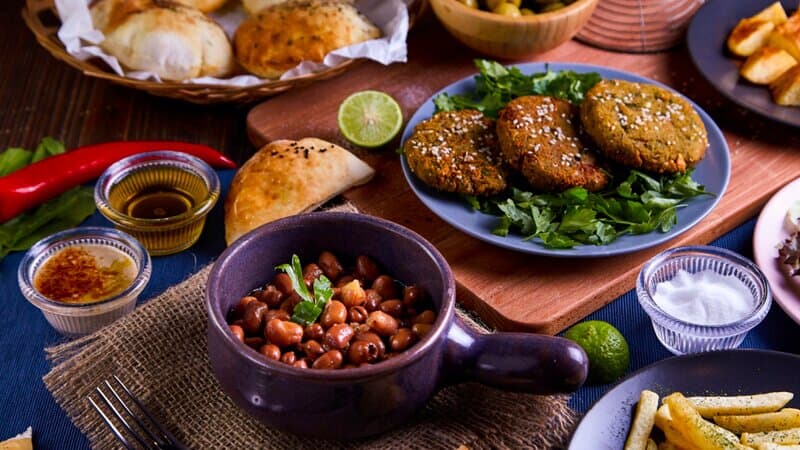
Culinary Highlights: Evenings are a time for feasting. Look out for popular dishes like Fattah (layered rice, bread, and meat), stuffed vegetables (Mahshi), and Koshary (a carb-rich mix of rice, lentils, and pasta). For something sweet, try Qatayef, a special stuffed pancake-like dessert, or the flaky pastry Kunafa.
A tourist's practical guide to Ramadan in Egypt
Here is what you need to know about how Ramadan changes daily life and how you can navigate it respectfully and enjoyably.
What changes for travelers?
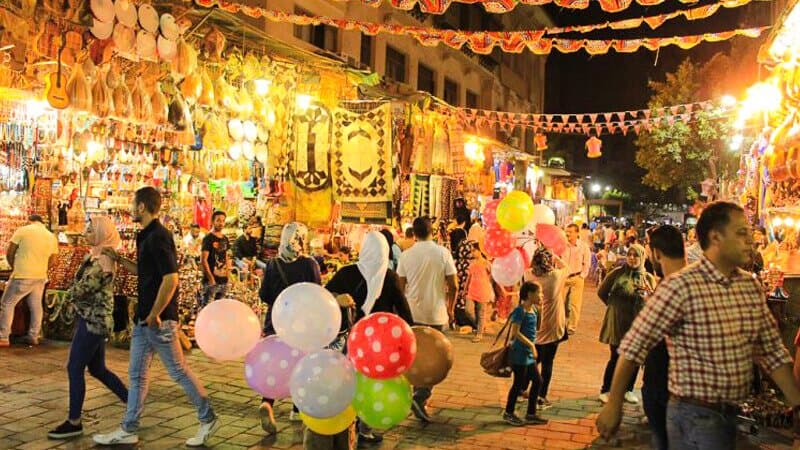
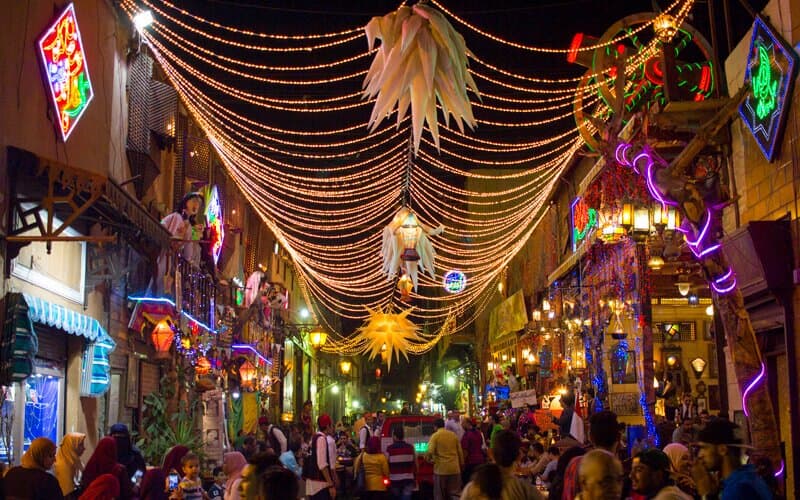
Daily Rhythm: Days are much quieter as many conserve energy. The pace picks up dramatically after sunset with the iftar meal (breaking of the fast), and evenings become vibrant, social, and festive, with people gathering late into the night for meals, prayers, and socializing.
Attractions: All major tourist sites, including the Pyramids, Egyptian Museum, and temples in Luxor and Aswan, remain open.
Restaurants: Dining requires some planning. Many local restaurants close during daylight hours. However, you can always find options:
- Hotels and Resorts: Hotels in tourist areas (like those in Cairo, Hurghada, and Sharm El Sheikh) continue to serve food and drinks throughout the day.
- Tourist Restaurants: Establishments in popular tourist zones typically remain open for visitors with modified menus.
Alcohol: Alcohol is still available, but primarily in licensed venues such as international hotels and resorts. You won't find it in most local restaurants or smaller venues during this month.
Business and Banking Hours: To plan your day, note that government offices, banks, and many shops shorten their hours, often closing by 1:00 PM or 2:00 PM. Tourist bazaars like Khan el-Khalili often close for a few hours in the afternoon (e.g., 2 PM to 6 PM) but then stay open late into the night.
Traffic: Expect increased traffic and congestion, especially in the hour or two leading up to sunset as people rush home to break their fast. Try to avoid unnecessary travel around that time.
Allowed vs. Forbidden
It is important to understand what is considered appropriate. Here is a simple guide.
Allowed (tolerated):
- Tourists are not required to fast and can eat and drink normally in designated private spaces.
- Consuming alcohol discreetly inside licensed hotels or tourist venues.
- Wearing modest clothing that covers shoulders and knees, especially in public and religious areas.
- Enjoying the festive evenings and taking photographs respectfully.
Forbidden (disrespectful):
- Eating, drinking, chewing gum, or smoking in public places (streets, public transport) during daylight hours.
- Openly offering food or drink to a Muslim who is fasting.
- Wearing revealing, overly tight, or transparent clothing in public spaces.
- Ignoring the schedule changes and expecting businesses to operate normally.
A key point to remember: The consideration of what is culturally respectful is more prominent than a strict legal enforcement, but showing respect is crucial.
Top 5 etiquette tips for tourists
1. Be discreet about eating. You can eat and drink, but do so out of sight—in hotel restaurants, your room, or designated tourist cafes. Simply being mindful makes a huge difference.
2. Dress modestly. While no strict rules apply, it is a sign of respect to dress more conservatively. Covering your shoulders and knees is a safe and appreciated practice for both men and women.
3. Understand prayer times. The five daily prayers are an important part of the day. Be aware that the call to prayer will sound across cities, and foot traffic around mosques will increase, especially after sunset.
4. Be mindful of energy levels. Your tour guides and drivers will likely be fasting. Be patient with their energy levels and appreciate that they are working while observing the fast.
5. Embrace the evening. The best part of the day is after sunset. Join the locals by visiting bustling markets, trying an iftar buffet, or simply strolling through the lively streets to soak in the magical atmosphere.
Embracing the spirit of Ramadan
Visiting Egypt during Ramadan is an incredible opportunity for a meaningful cultural experience. By understanding the core values of the month—spirituality, community, and generosity—you can show respect through small gestures. A simple "Ramadan Kareem" (meaning "Have a generous Ramadan") is a wonderful way to greet locals and will be warmly received.
It is also worth noting that this time can be especially appealing as the cooler winter weather and fewer daytime crowds at major attractions can make for a more comfortable sightseeing experience.
Written by
Egypt Tour and Adventure
You Might Also Like
 Egypt17 min
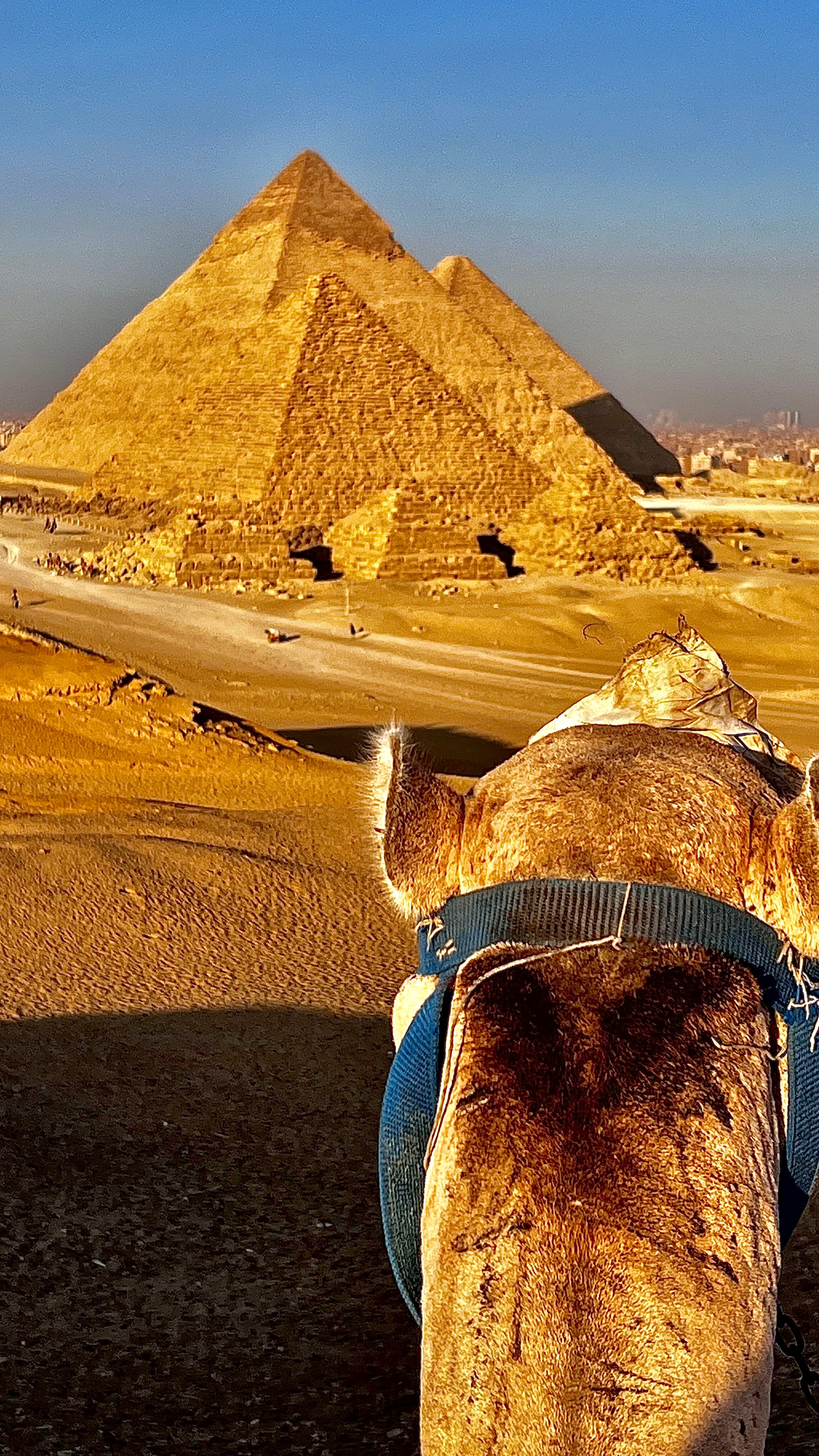
Giza Pyramids , Sphinx and Grand Egyptian Museum
Giza Pyramids, Sphinx, and Grand Museum Itinerary Guide Key Highlights This guide helps you plan a smooth day tour covering the Giza Pyramids, the Gre...
 Egypt tours3 min
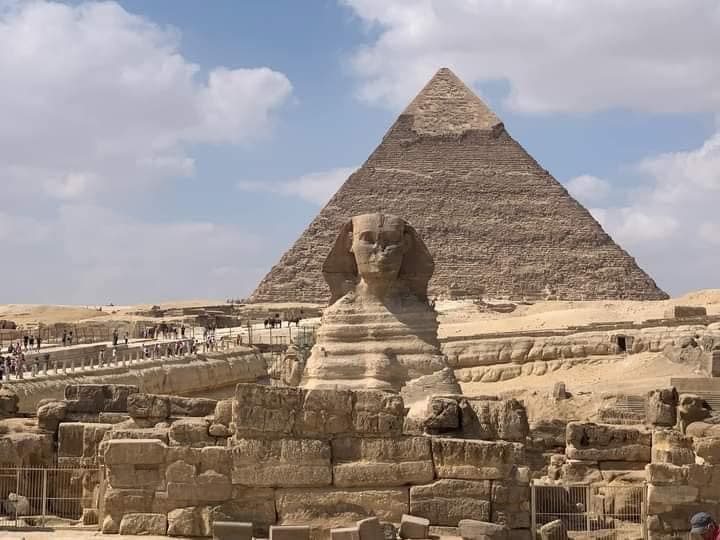
Discover 10 Best Egypt Tours for Your Next Adventure
Explore the 10 best Egypt tours, from the GizaPyramids and a Nile cruise to the Red Sea and desert safaris. Find the right package foryour travel styl...
 Siwa Oasis7 min
Siwa Oasis Egypt: Salt Lakes, Desert Safari and the Temple of the Oracle
Siwa sits roughly 50 kilometres from the Libyan border, deep in Egypt's Western Desert, and it does not feel like anywhere else in the country. There ...
Tours You Might Like

Cairo City Day Tour
Immerse yourself in an over a thousand years of history in a single day. Marvel at the world's greatest collection of ancient artefacts, lose yourself in Islamic Cairo, and bargain for treasures in Khan El Khalili bazaar.

Giza Pyramids, Sphinx and Grand Egyptian Museum.
Explore the last remaining wonder of the ancient world. Stand before the Great Pyramid of Khufu, marvel at the mysterious Sphinx, and descend into ancient burial chambers with your expert Egyptologist guide.

Abu Simbel Temples Day Trip
Witness Ramesses II's greatest architectural achievement — two massive rock temples carved directly into the mountainside 3,200 years ago. The sheer scale and artistry will leave you speechless.