
Key Highlights
Karnak Temple in Luxor is one of the top spots from ancient Egypt.
This big religious complex got bigger over many years, from the Middle Kingdom through later times.
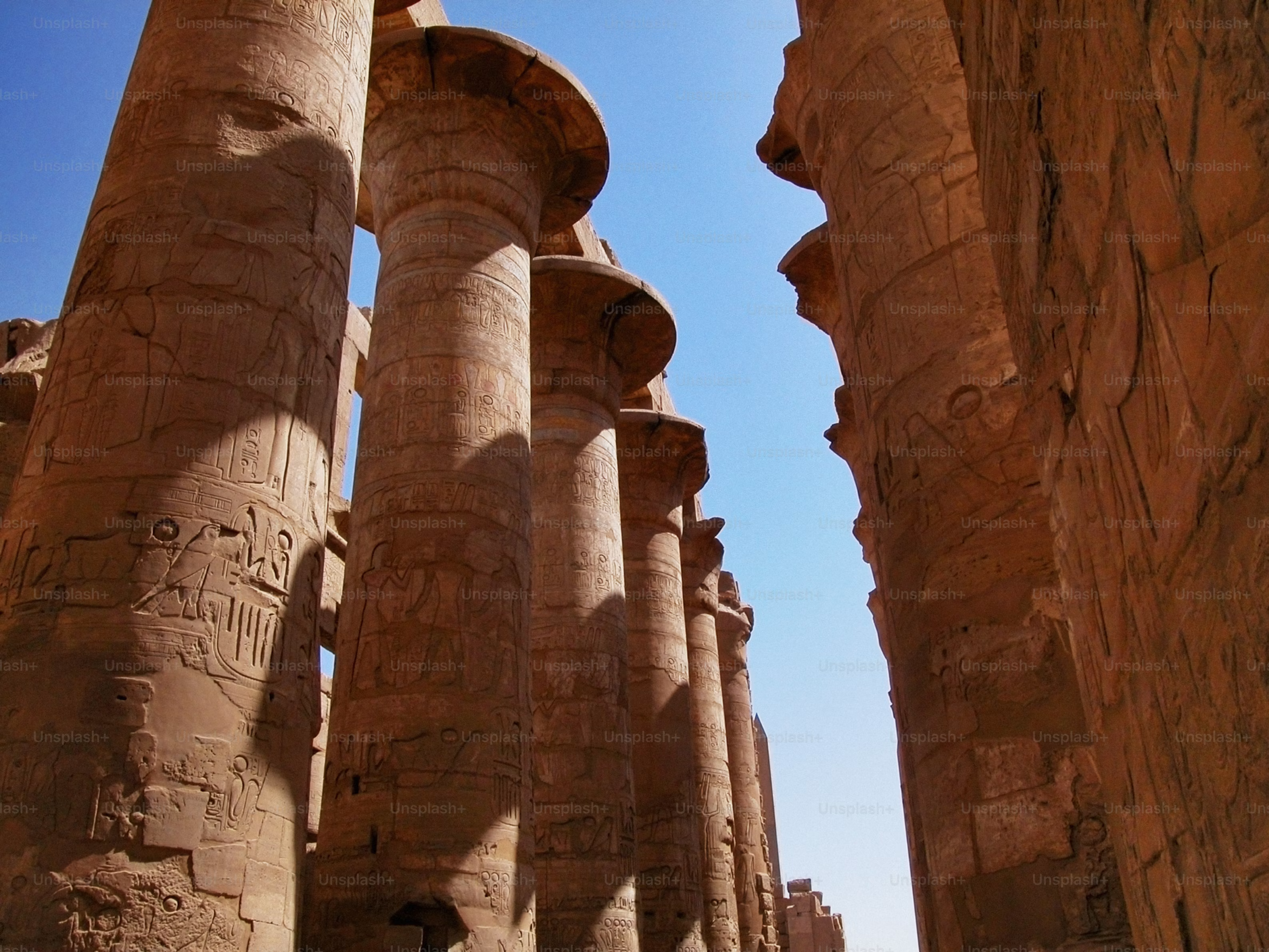
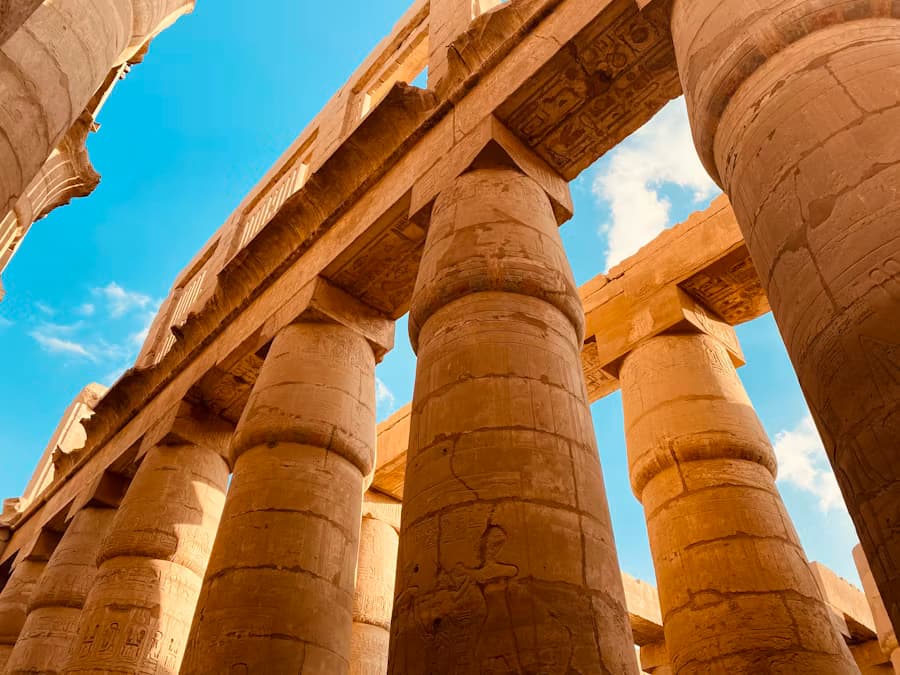
The Great Hypostyle Hall has 134 massive columns and shows off lots of carved pictures.
Many people like the Sacred Lake, as it was key to temple life and rituals.
The site is linked to the worship of Amun and the strength of ancient Thebes.
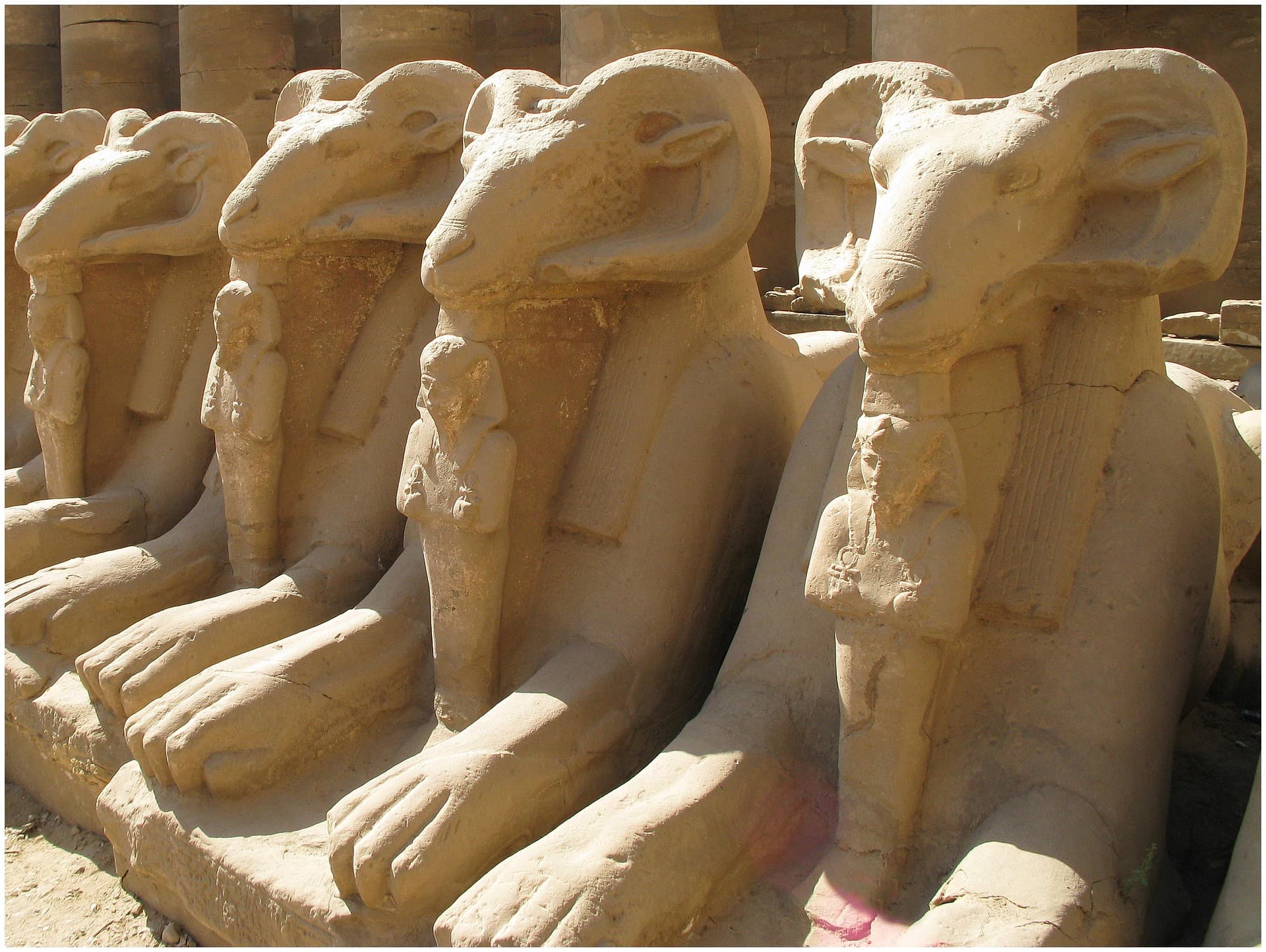
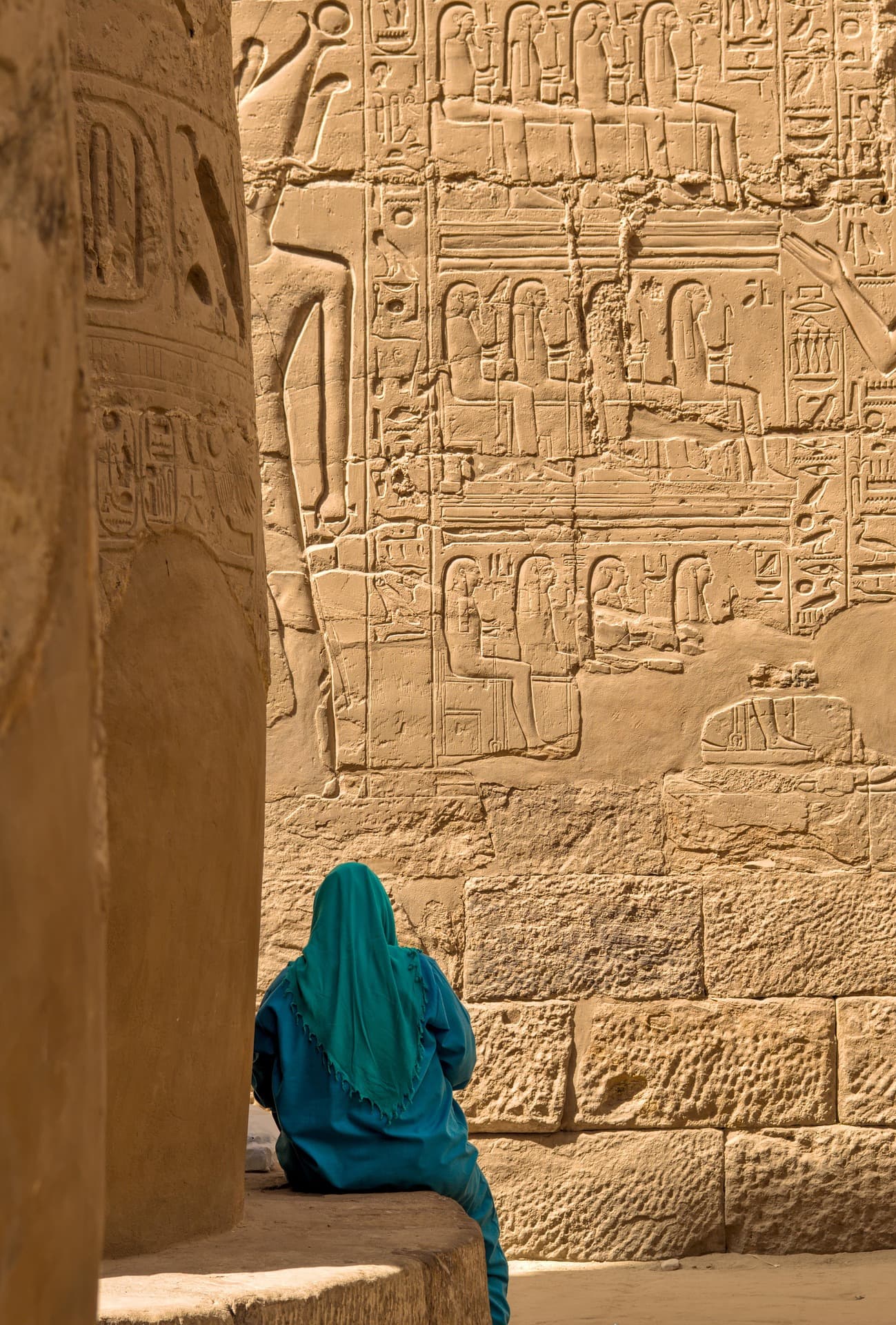
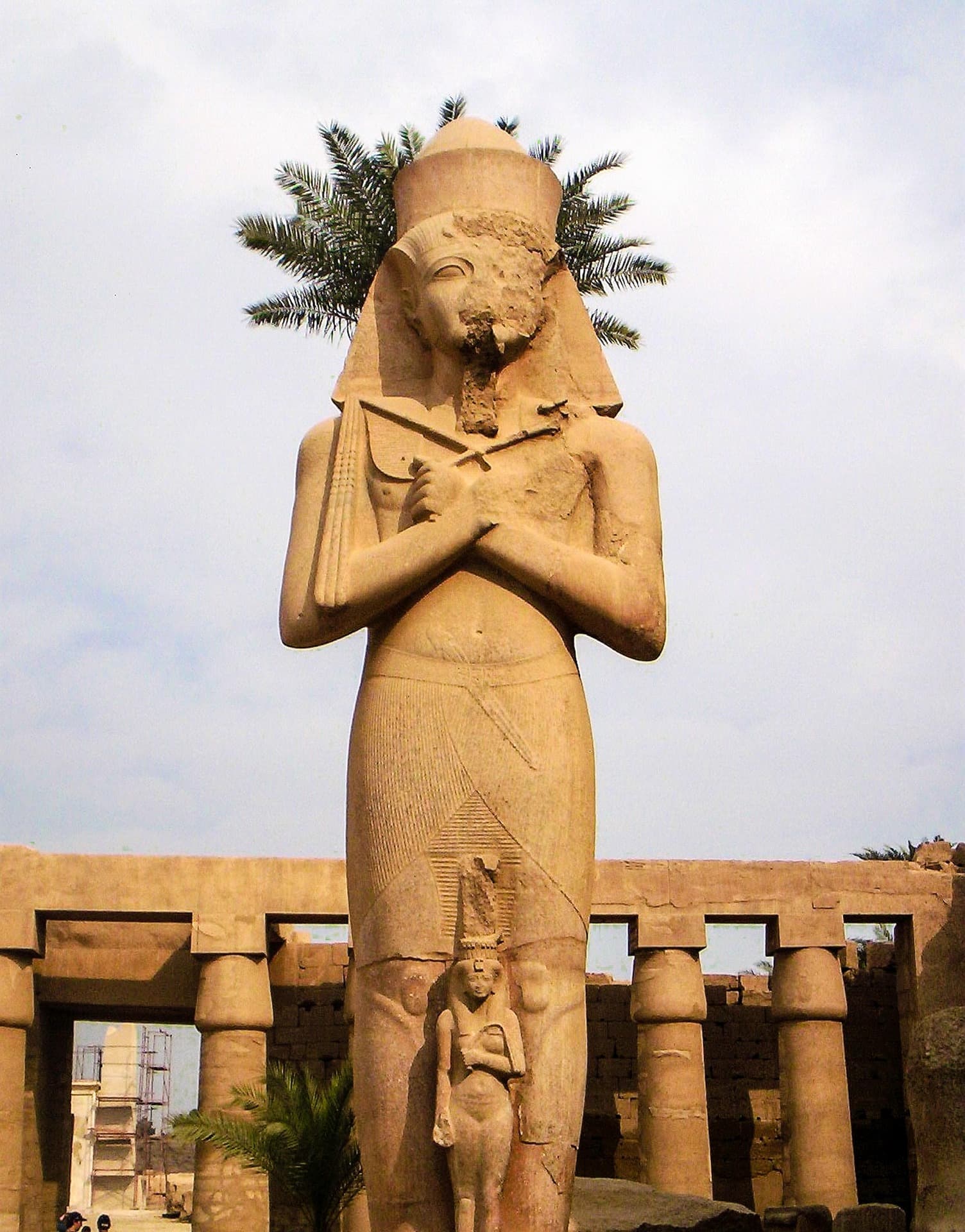
Amazing photos of Karnak Temple show its size, stonework, and the feel of this place.
Introduction
Visiting Karnak Temple in Luxor is like going back in time. This temple complex sits on the east side of the Nile River. You can feel the power of ancient Egyptian history all around you. The site honors the god Amun. The massive columns and the sacred lake help show how smart and skilled the people of the past were. Karnak Temple really grabs the imagination of anyone there. Be sure to take some amazing photos to help you remember your time at this special place. Let yourself feel all the culture and wonder of this old temple complex.
The Rich History of Karnak Temple, Luxor
Karnak Temple in Luxor is known for its long and interesting past. It was first built to honor the god Amun. Over time, many different rulers made changes and added more to this special place. The temple shows the power and strong beliefs of ancient Egyptian religion and culture. Kings like Ramesses II worked to make the site bigger and better. Karnak became an important religious complex in Upper Egypt.
You can see many amazing things at Karnak. The temple has massive columns, detailed carvings, and many sacred spots. All these things show how the people by the Nile once lived and worshipped. Karnak Temple is a strong sign of that great time in history.
Origins and Construction Across Dynasties
The Karnak Temple has a long and interesting history. It began in the Old Kingdom and grew much more during the New Kingdom. At first, it was built for the god Amun. Many pharaohs worked on it, including Ramses II. Over time, this temple complex got bigger. There are now massive columns and many detailed carvings. These show the great skill of the ancient Egyptians. Each part of Karnak adds to its story. It is a place where you feel the devotion, power, and big dreams of the people who made it. Visitors feel amazed when they come to the Karnak Temple.
Significance in Ancient Egyptian Religion
Karnak Temple was very important in ancient Egyptian religion. This huge religious complex was built mainly for the god Amun and other gods in the Theban Triad. It was the main place for worship in the New Kingdom. The grand hypostyle hall and tall columns made a great space for big ceremonies, like the annual Opet Festival.
The Karnak Temple shows how much the ancient Egyptians cared about their gods. It was a special place where the pharaohs felt close to Amun. People thought Amun gave pharaohs the power to rule. If you want to see how amazing this temple looks, make sure to look at some stunning photos of its beautiful architecture and history!
Pharaohs and Their Contributions
Many pharaohs in ancient Egyptian history took part in building and growing the Karnak Temple. Ramses II, known for his military victories, made a strong impact there. He ordered some of the largest monuments in the temple complex, and work on the site kept going even in the Roman Period. Ramses II’s work added massive columns and detailed pictures on walls, which showed how grand things were in the New Kingdom. After him, each ruler worked on the temple too. They all showed their respect for the god Amun and made sure the temple stayed important for religion in ancient Thebes.
Exploring the Architectural Marvels of Karnak
Discover the stunning buildings at Karnak Temple, where old stories feel real. Walk through the Great Hypostyle Hall and see the huge central columns with carvings all over them. This area takes you back to the New Kingdom. Walk beside the Sacred Lake and look at the famous obelisks, which show the smart ideas of ancient Egypt. Be sure to see the monuments from the Middle Kingdom. Each one has its own story to tell. Take great photos of these sights and keep memories that will last for a long time.
The Grand Hypostyle Hall: Columns and Reliefs
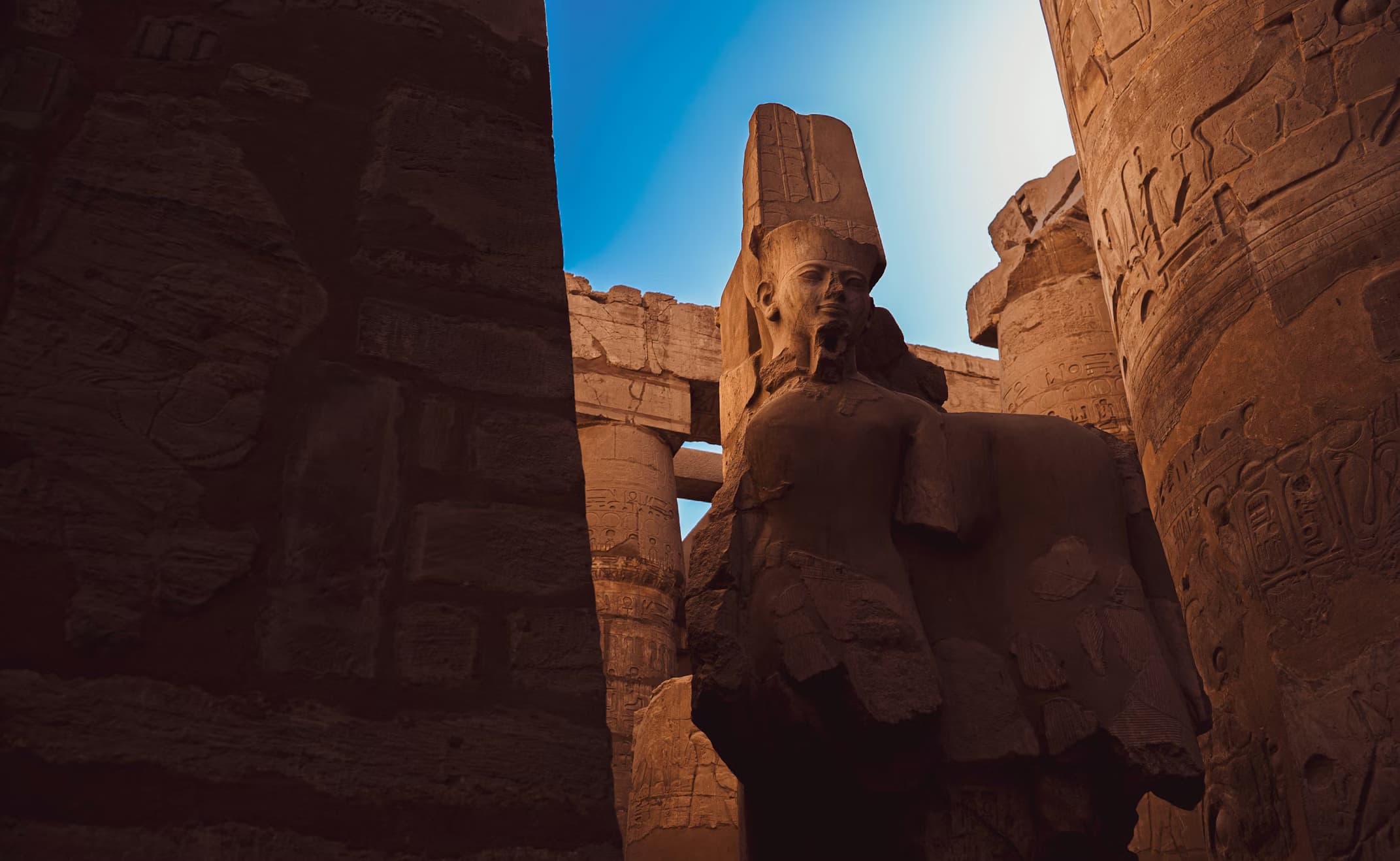
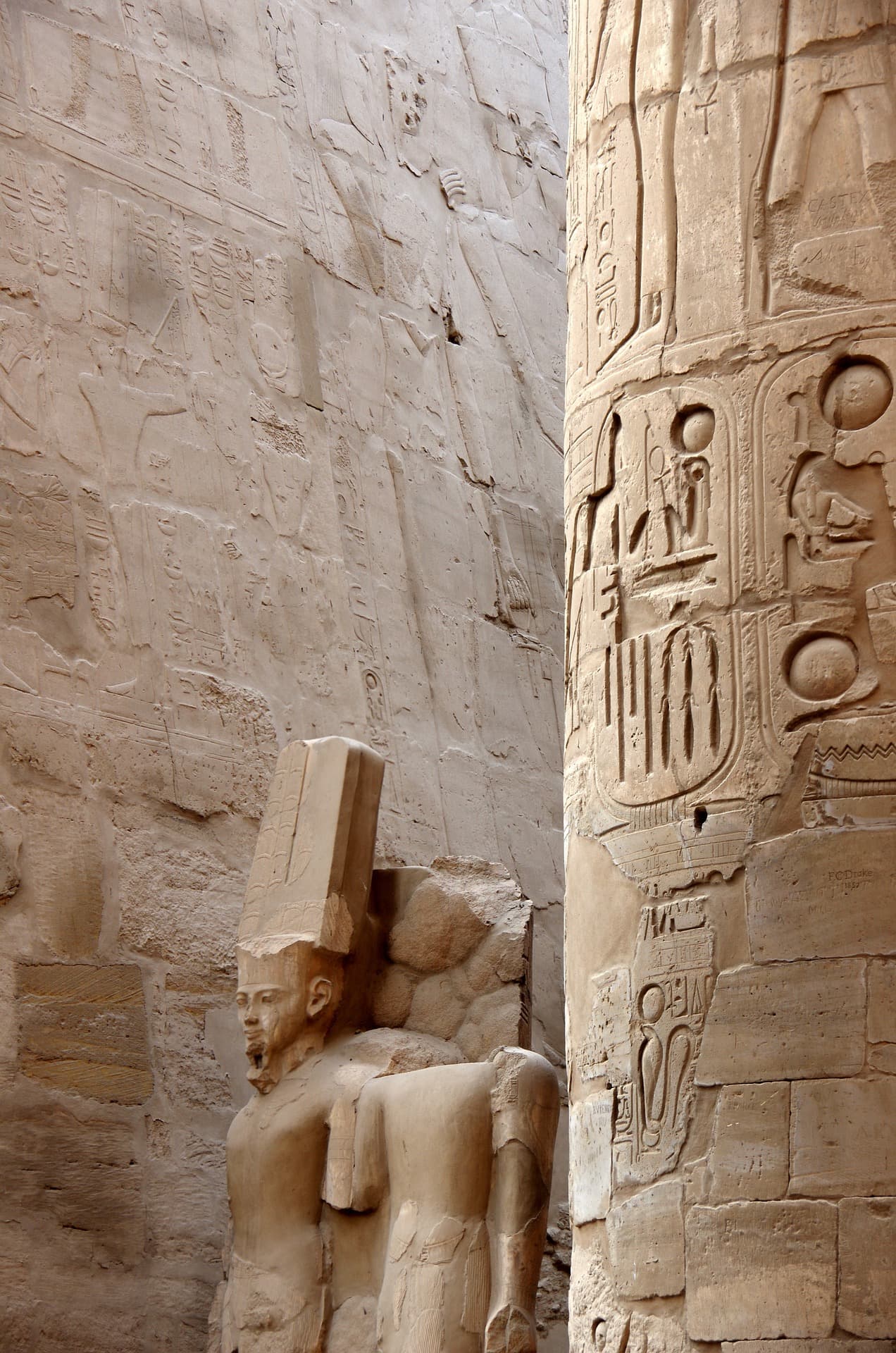
The hypostyle hall at Karnak Temple stands out because of its size and beauty. The massive columns seem to reach straight up to the sky. There are many detailed carvings on the walls, showing how the ancient Egyptians showed their love and respect for the god Amun. Every part you see points to the special meaning and skill from the New Kingdom. The temple complex covers a big area in square feet. As you walk through, the air feels heavy with old stories and deep respect. A visit here is a must for anyone who comes to Luxor. Be sure to take photos of the stunning sights!
Sacred Lake and Iconic Obelisks
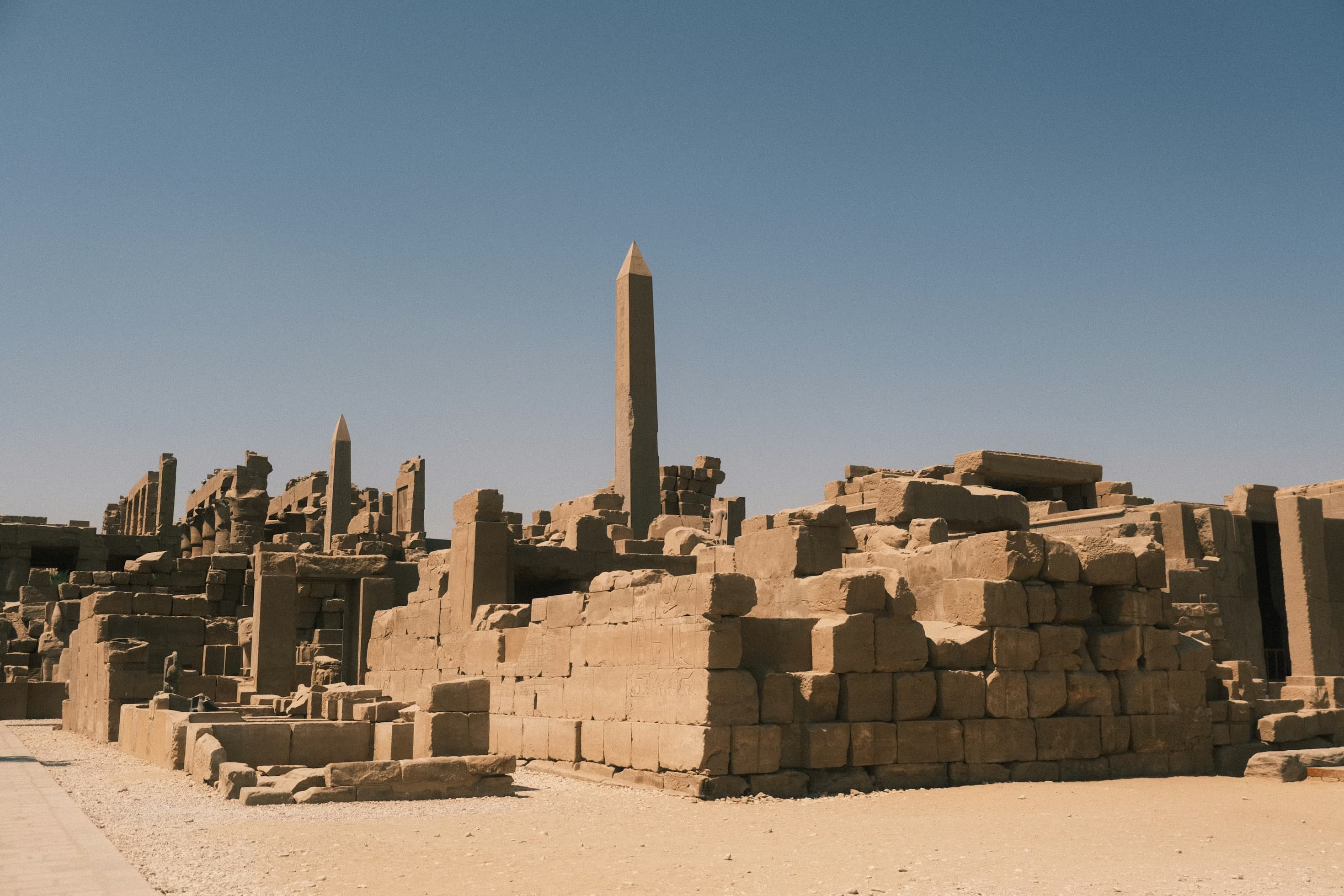
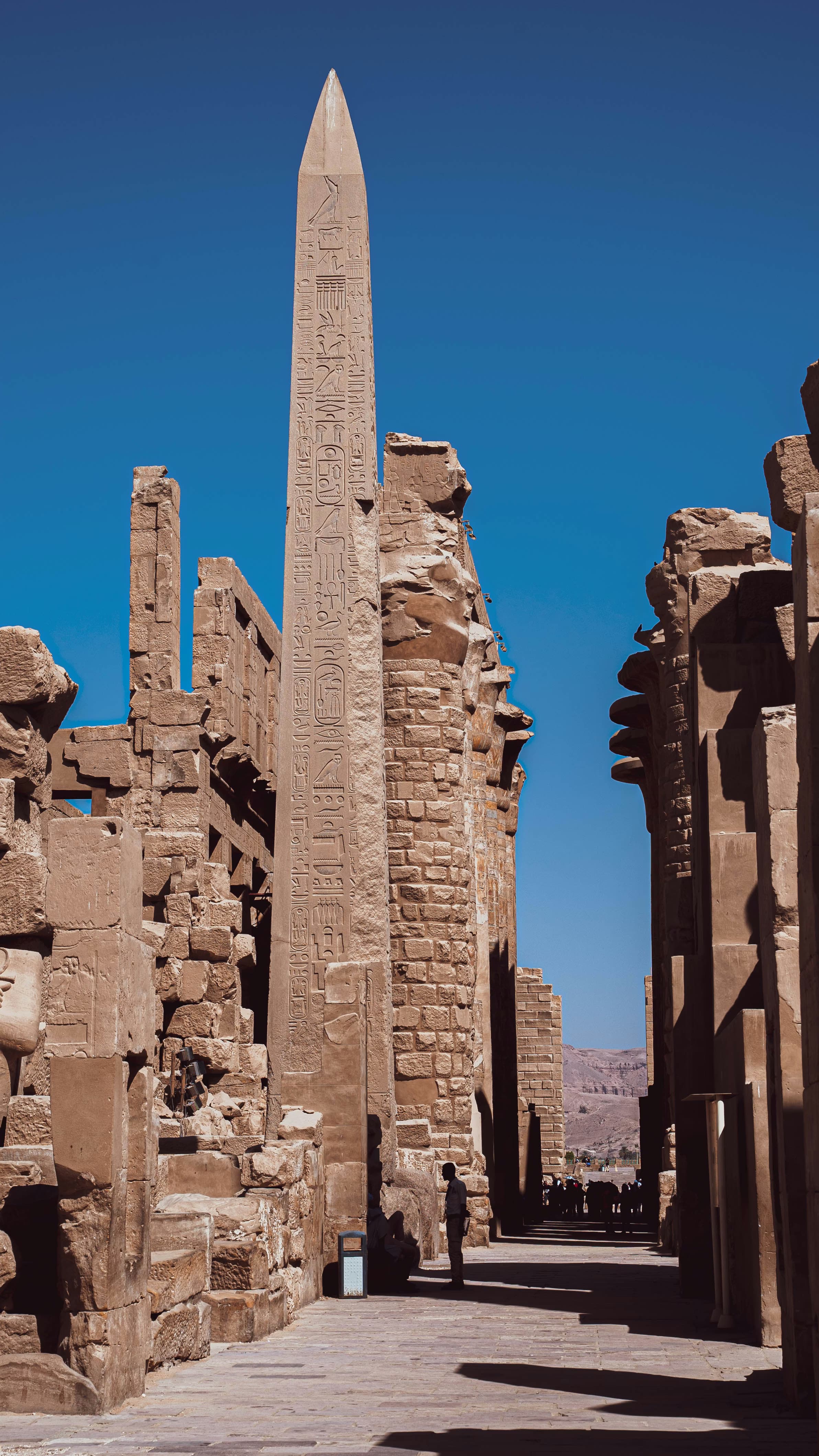
The Sacred Lake at Karnak Temple is more than just a quiet place. It was once a key area for old rituals held for the god Amun. You can find it close to the main sanctuary. The lake sits among beautiful views, and you can see how it perfectly mirrors the tall obelisks around it. These obelisks are covered with fine carvings. The tallest one is called the "Obelisk of Hatshepsut." It goes up 30 meters high and shows the skill of people from the New Kingdom. Make sure you get photos of these amazing parts of karnak temple and the sacred lake. These moments will help you remember your visit.
Notable Monuments from the Middle Kingdom
Middle Kingdom monuments at Karnak Temple show the lasting impact and rich style of this place. You can see the skills and ideas of ancient workers here and at Medinet Habu. A big part of this feel comes from the Temple of Amun and the Precinct of Mut. Their space has massive columns and well-made reliefs. These things help us see how the ancient Egyptians honored their gods, mostly during the annual Opet Festival. A visit to these sites, like Medinet Habu, gives you a look at the city’s long history. You get both holy acts and beautiful design in one place. Make sure you take some great photos when you go!
Visitor Experience at Karnak Temple: What to Know
Visiting Karnak Temple is something you will not forget. The best time to go is early in the morning or in the late afternoon. The sun will be softer, and you can get some really good photos. Make sure you take some time to walk through the hypostyle hall. The tall, massive columns there are amazing to see. The detailed carvings on the walls are also worth a look.
The ticket prices to get into Karnak Temple are fair. If you join a guided tour, you will learn more about the history and this will make your visit much better. Most tours include a stop at the nearby Colossi of Memnon, which is a real highlight.
After you see the main sights, you can go for a walk to the sacred lake. This spot has more nice places for photos. Take your time and enjoy every part of this remarkable place.
Opening Hours and Ticket Information
If you are in Luxor, you should go to the Karnak Temple. The best time to be at this temple complex is early in the morning, around 6 AM, before it gets hot. The site closes at 5:30 PM. You can get tickets when you arrive. The price is not the same for everyone, as locals and people from other countries pay different amounts.
It is good to see if there are any special events or guided tours. These can help you get even more out of your visit. When you are there, make sure to take pictures of the massive columns and the pretty designs on the walls. These make good memories and show off how grand the Karnak Temple is.
Travel Tips for Seeing Karnak and Luxor Temples in One Day
Exploring the Karnak temple and Luxor temple in one day is something you will not forget. You will find these great places on the west bank. Start your trip early in the morning so you have time to enjoy all of the karnak temple complex. Be sure to see the hypostyle hall and its massive columns. You will also find detailed carvings on the walls.
After you walk around, you can go along the avenue of sphinxes. This way leads you right to the luxor temple. Bring your camera with you. It is best to take photos at sunrise or sunset. That is when you get the most beautiful light for your pictures. Enjoy your day visiting the karnak temple complex, the massive columns, and the amazing views on the west bank!
Capturing the Perfect Photo: Best Spots Around the Temple
Exploring Karnak Temple is a great way to get pictures that show its amazing beauty. The grand hypostyle hall stands out as a place you should see. The massive columns here make every photo feel special. Many people compare this area to the Festival Hall. The sacred lake lets you take photos of the temple with its reflection in the water, and it looks best at sunset. The precinct of Amun is another area to check out; it has lots of carvings that make your pictures more interesting. Don’t forget to take a photo of the iconic obelisks as they show the skill of ancient Egypt. Take these photos, and you will have memories to look back on for a long time.
Conclusion
Karnak Temple in Luxor is a place that shows the greatness of ancient Egyptian history and skill, just like the Egyptian Museum in Cairo. As you walk among the massive columns and look at the detailed carvings, you feel like you go back in time. It is something you won’t forget.
You can take photos in the grand hypostyle hall or walk by the calm, sacred lake. Every part of the temple complex lets you see the good work done long ago. If you have a love for history, this place lets you feel what ancient Thebes was all about. Don’t forget—bring your camera so you can get some great pictures of its beauty!
Frequently Asked Questions
How can you reach Karnak Temple from central Luxor?
To get to Karnak Temple from central Luxor, you can walk, take a taxi, or use local buses. The temple is about 3 kilometers away from the city center. This makes it easy for people to go and see what is there. You can look at the beautiful buildings and learn about the history. Many people also visit the nearby Hatshepsut Temple on the same trip.
What are must-see highlights for first-time visitors at Karnak Temple?
If you are visiting Karnak Temple for the first time, be sure to see these highlights. The Grand Hypostyle Hall is a must-see with its tall columns. You should also check out the sacred lake, which reflects the old buildings in the water. Look for the large obelisks too. At night, you can watch the amazing light show that brings the temple to life. Take time to look at the reliefs, as they tell the long history of Egypt. Each spot is great for taking photos and making special memories.
Are there ongoing restoration or conservation efforts at Karnak Temple?
Yes, people are working at the Karnak complex to take care of the old buildings and art. The team wants to keep everything safe and in good shape. They also want to help more people get in and see the place. At the same time, they make sure that the history of this wonderful site stays protected. This way, everyone—including those in the future—can know and feel how great the Karnak complex is.
karnak temple luxor egypt
https://en.wikipedia.org/wiki/Portal:Ancient_Egypt
https://www.historyhit.com/locations/karnak-temple/
https://en.wikipedia.org/wiki/Category:Ancient_Egypt
https://www.historyhit.com/articles/ancient-and-classical/
https://www.historyhit.com/articles/ancient-and-classical/ancient-egypt/
Автор
Mohamed Zahran
Founder & Director
You Might Also Like
 Siwa Oasis7 min
Siwa Oasis Egypt: Salt Lakes, Desert Safari and the Temple of the Oracle
Siwa sits roughly 50 kilometres from the Libyan border, deep in Egypt's Western Desert, and it does not feel like anywhere else in the country. There ...
 Nile cruise8 min
Top 10 Reasons to Take a Nile Cruise from Aswan to Luxor
A Nile cruise between Aswan and Luxor is the easiest way to see Upper Egypt. You unpack once, and the temples come to you. Instead of changing hotels,...
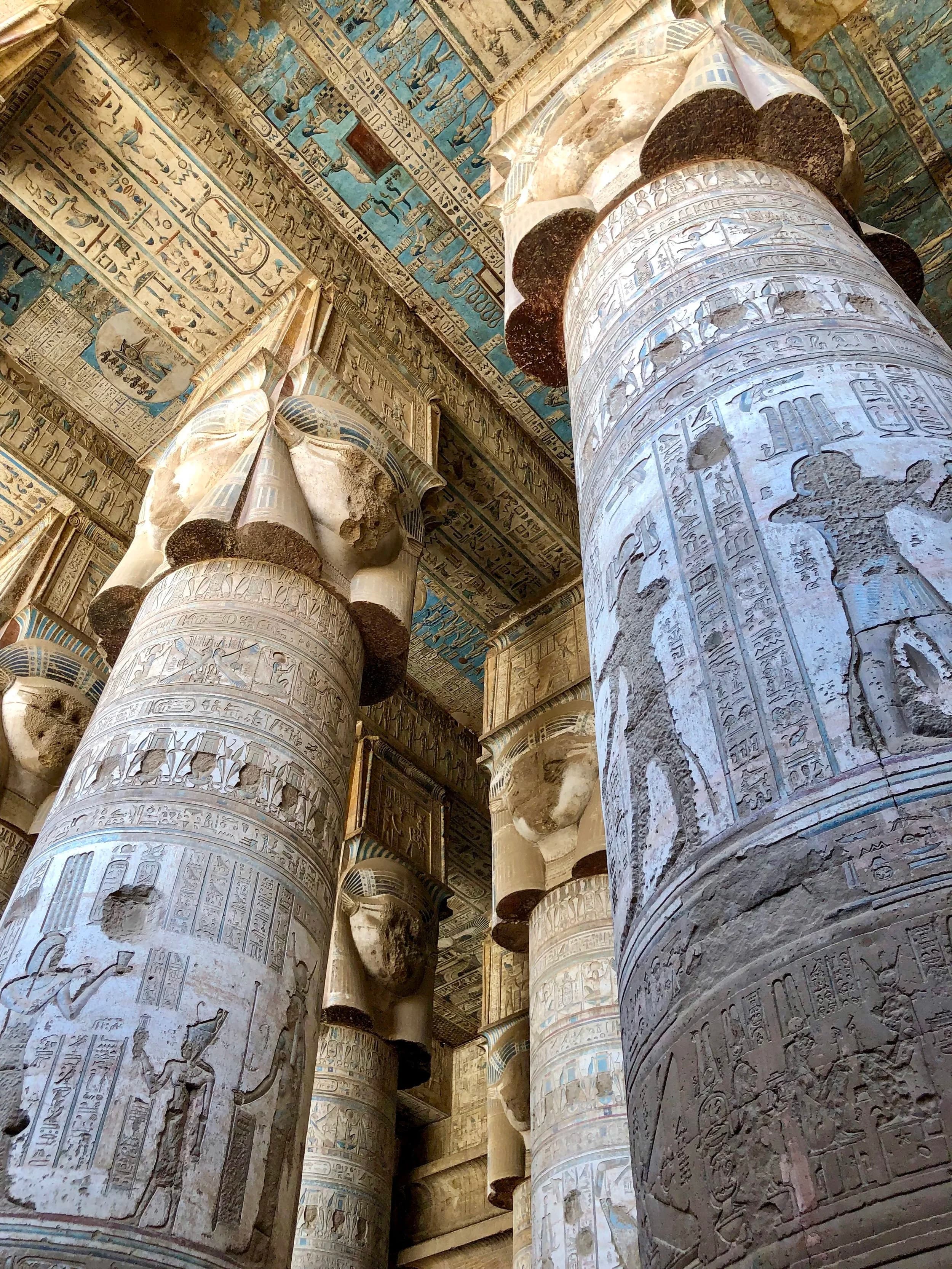 Dendera – The Temple That Will Steal Your Heart.9 min
Храм Дендеры
Храм Дендеры – наиболее хорошо сохранившийся храм Египта и святилище Хатхор Введение В шестидесяти километрах к северу от Луксора, на западном берегу ...
Tours You Might Like
Dendera Temple & East Bank
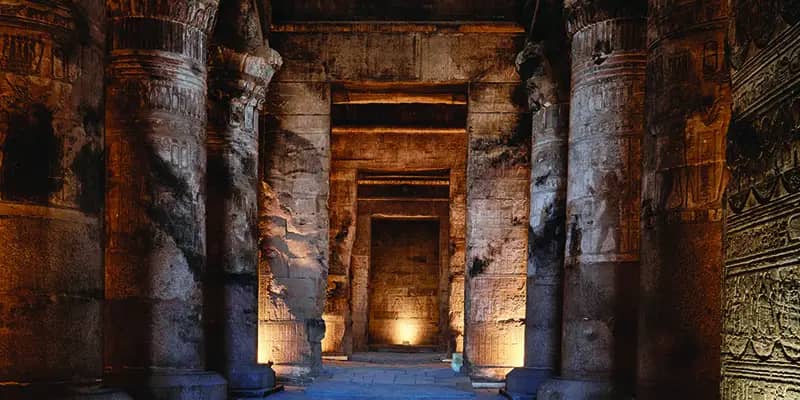
Discover the best of ancient Thebes in one unforgettable day. Start on Luxor’s East Bank, visiting the spectacular Karnak Temple – the largest religious complex ever built – followed by the elegant Luxor Temple, illuminated by history and connected by the Avenue of Sphinxes. Then journey north to the beautifully preserved Dendera Temple, dedicated to the goddess Hathor, where you’ll see the famous Zodiac ceiling, crypts, and rooftop shrines. A perfect blend of power, mystery, and divine beauty – all with a private guide, lunch, and transport included.
Aswan Day Tour
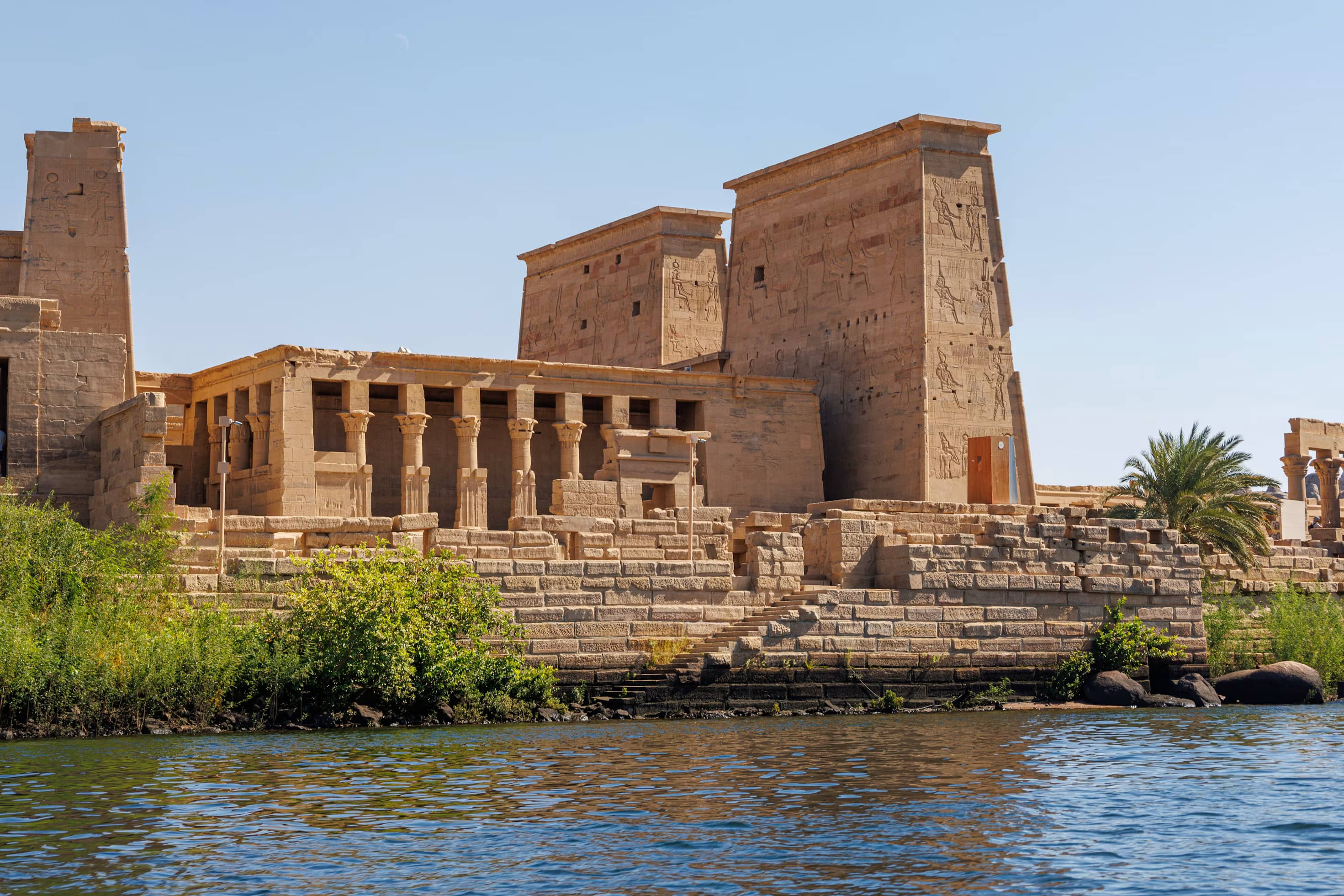
Explore the best of Aswan in one day with this all-inclusive tour. Visit the iconic Aswan High Dam, the ancient Unfinished Obelisk, and the beautiful Philae Temple on Agilkia Island. With a professional Egyptologist guide, private air-conditioned transport, entry tickets, and a delicious local lunch included, this hassle-free experience lets you focus on the wonders of ancient and modern Egypt. -------- Aswan day tour, Philae Temple tour, Aswan High Dam, Unfinished Obelisk, Egypt day trip, Aswan with lunch, private tour Aswan, Egyptologist guide Aswan. Aswan Highlights Day Tour: Tickets, Guide, Transport & Lunch Included #AswanDayTour #PhilaeTemple #AswanHighDam #EgyptDayTrip #AswanWithLunch

Ain Sukhna Day
Luxury Yacht Escape – Ain Sukhna, Red Sea Experience a private, all-inclusive day on the Red Sea aboard your own luxury yacht. Cruise the sparkling waters of Ain Sukhna with a dedicated chef preparing your fresh lunch onboard, a DJ playing your favorite music, and a professional crew ensuring your comfort. Relax in air-conditioned cabins, sunbathe on spacious decks, or dive into crystal-clear waters for swimming, snorkeling, or fishing. Savor unlimited soft drinks, hot drinks, water, snacks, and fresh fruits throughout the day. With private round-trip transport from Cairo and all logistics handled, this is a seamless, stress-free getaway for groups of 1 to 30 persons. Perfect for families, friends, or small celebrations.